
- Afrikaans
- Albanian
- Amharic
- Arabic
- Armenian
- Azerbaijani
- Basque
- Belarusian
- Bengali
- Bosnian
- Bulgarian
- Catalan
- Cebuano
- China
- Corsican
- Croatian
- Czech
- Danish
- Dutch
- English
- Esperanto
- Estonian
- Finnish
- French
- Frisian
- Galician
- Georgian
- German
- Greek
- Gujarati
- Haitian Creole
- hausa
- hawaiian
- Hebrew
- Hindi
- Miao
- Hungarian
- Icelandic
- igbo
- Indonesian
- irish
- Italian
- Japanese
- Javanese
- Kannada
- kazakh
- Khmer
- Rwandese
- Korean
- Kurdish
- Kyrgyz
- Lao
- Latin
- Latvian
- Lithuanian
- Luxembourgish
- Macedonian
- Malgashi
- Malay
- Malayalam
- Maltese
- Maori
- Marathi
- Mongolian
- Myanmar
- Nepali
- Norwegian
- Norwegian
- Occitan
- Pashto
- Persian
- Polish
- Portuguese
- Punjabi
- Romanian
- Russian
- Samoan
- Scottish Gaelic
- Serbian
- Sesotho
- Shona
- Sindhi
- Sinhala
- Slovak
- Slovenian
- Somali
- Spanish
- Sundanese
- Swahili
- Swedish
- Tagalog
- Tajik
- Tamil
- Tatar
- Telugu
- Thai
- Turkish
- Turkmen
- Ukrainian
- Urdu
- Uighur
- Uzbek
- Vietnamese
- Welsh
- Bantu
- Yiddish
- Yoruba
- Zulu
Фирмени новини
Възможности на компанията
В момента компанията е изградила най-голямата в света субметрова комерсиална спътникова констелация за дистанционно наблюдение със силни възможности за обслужване. Разчитайки на сателитни данни за дистанционно наблюдение, той може да предостави на клиентите данни за сателитно дистанционно наблюдение с висока времева разделителна способност, висока пространствена разделителна способност, висока спектрална разделителна способност, бързо широкообхватно покритие и интегрирани приложни услуги за пространствена информация, базирани на данни от сателитно дистанционно наблюдение.
-
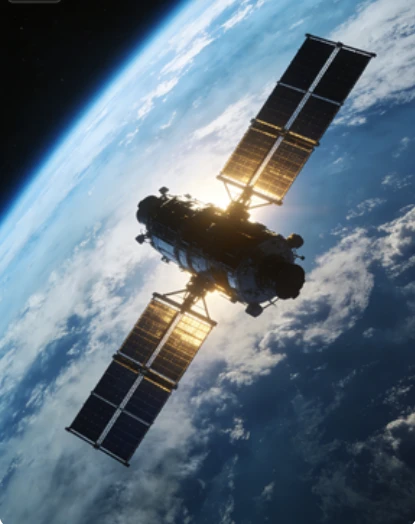
Analysis of the Impact of Doppler Shift on Data Transmission Quality in LEO Satellite IoT
The rapid development of low Earth orbit (LEO) satellite Internet of Things (IoT) has made it an important support for global IoT coverage.
-
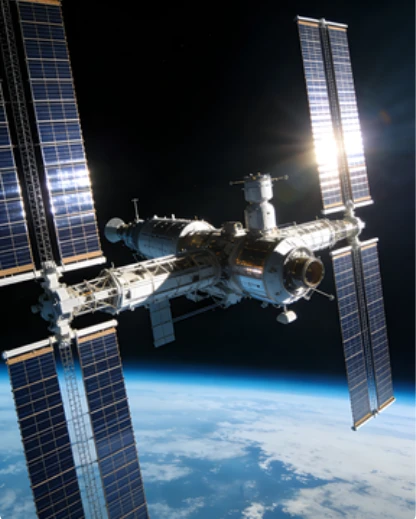
Doppler Shift in LEO Satellite IoT Communications: Principles and Magnitude Characteristics
As a key component of the 6G network architecture, low Earth orbit (LEO) satellite IoT communication systems are profoundly reshaping the global communication landscape.
-

SpaceNavi NovaX The Strongest Satellite for Global Connectivity and Observation
In the ever-evolving landscape of space technology, the demand for powerful and reliable satellite capabilities is constantly increasing. Space-Navi stands at the forefront, offering cutting-edge satellite solutions tailored to a wide range of applications. But what exactly makes a satellite “strongest”? It’s not simply about size, but a complex interplay of power, resolution, bandwidth, and resilience. This article will explore the factors defining satellite strength, delve into Space-Navi’s flagship offerings, and discuss how these technologies are shaping the future of connectivity and observation. The quest for the strongest satellite is central to advancements in fields like telecommunications, environmental monitoring, and national security. When evaluating the “strength” of a satellite, several key performance indicators (KPIs) come into play. These include transmitting power, antenna gain, bandwidth, resolution for Earth observation satellites, and the satellite's operational lifespan.
-
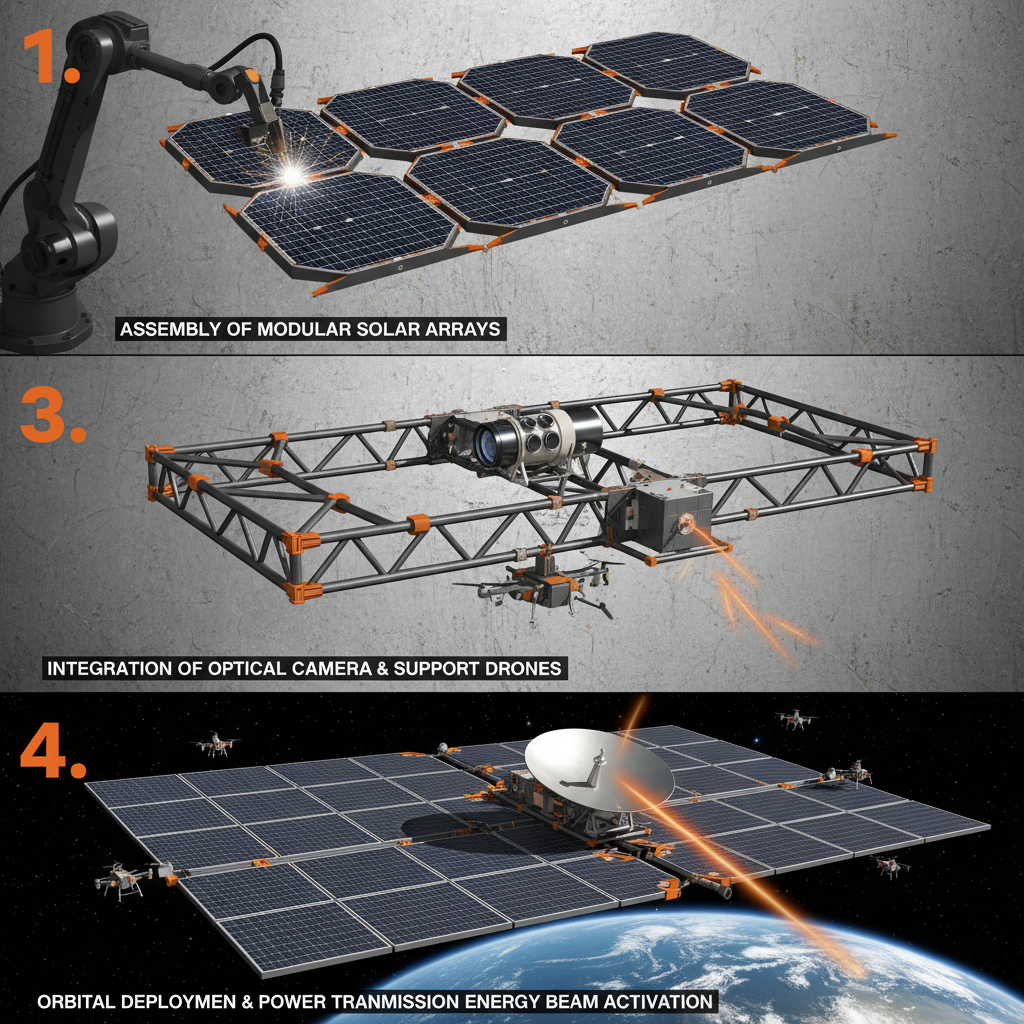
Exploring Solar Power Satellites SPS for a Sustainable Energy Future
The quest for sustainable and clean energy sources has led to innovative concepts, and among the most ambitious is the development of solar power satellites (SPS). These massive structures, positioned in geostationary orbit, aim to capture sunlight continuously and beam it back to Earth as usable energy. This article will explore the concept of SPS, its potential benefits, technological challenges, current development efforts, and future prospects. Addressing the world’s energy needs demands exploring all viable solutions, and SPS represents a potentially revolutionary approach to power generation. At its core, the SPS concept leverages the unique advantages of space. Unlike terrestrial solar farms, SPS are unaffected by weather patterns, atmospheric interference, or the day-night cycle. They can receive sunlight nearly 24/7, maximizing energy capture. The energy collected is then converted into microwave or laser radiation and beamed to receiving stations (rectennas) on Earth. These rectennas convert the received energy back into electricity for distribution.
-

Exploring Space Solar Power Satellite Technology for Sustainable Energy Solutions
The concept of collecting solar energy in space and beaming it back to Earth, using a Space Solar Power Satellite (SSPS), is gaining traction as a potential solution to global energy demands. This technology offers the promise of clean, sustainable, and near-continuous power generation. This article delves into the fundamentals of SSPS, its components, benefits, challenges, and current developments, offering a comprehensive overview for those interested in this cutting-edge field. Addressing our energy needs while minimizing environmental impact is a crucial challenge, and SSPS presents a compelling avenue for exploration. Space-navi offers insight into the latest advancements in space technology. A Space Solar Power Satellite is essentially a large-scale spacecraft designed to capture sunlight, convert it into electricity, and then transmit that energy wirelessly to receiving stations on Earth. Unlike terrestrial solar farms, SSPS operates outside the Earth's atmosphere, eliminating issues like cloud cover, atmospheric interference, and nighttime limitations.
-
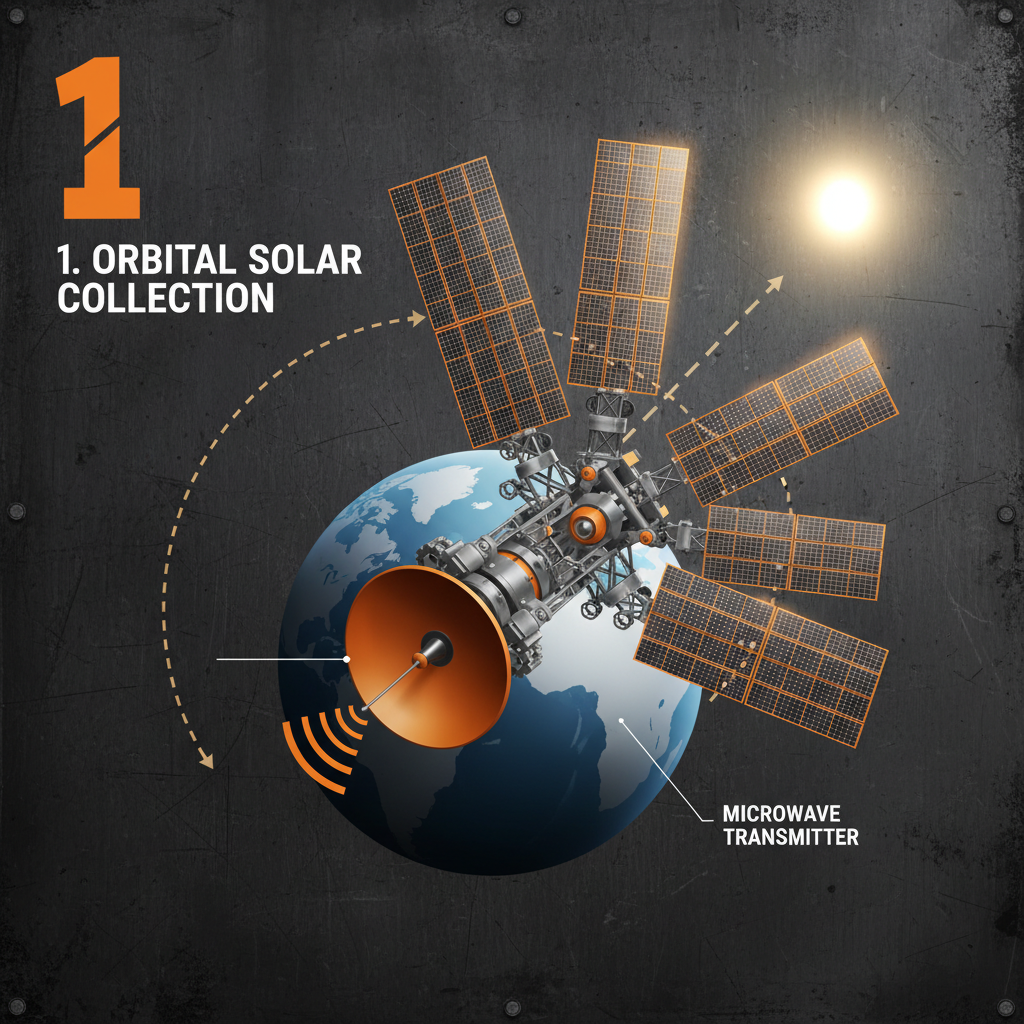
Exploring the Potential of Solar Power from Satellites for a Sustainable Future
The pursuit of clean, sustainable energy sources has led to innovative ideas, and one of the most ambitious is harnessing solar power from satellites (SPS). This technology envisions collecting solar energy in space and transmitting it wirelessly to Earth. While still in development, SPS holds immense potential to revolutionize global energy production. This article delves into the concept, benefits, challenges, and ongoing developments in this exciting field. Imagine a world with continuous, reliable, and clean energy – SPS aims to make that a reality. Solar power satellites are essentially large space-based solar power plants. They would orbit Earth in geostationary orbit, continuously exposed to sunlight – unlike terrestrial solar farms, which are limited by day/night cycles and weather conditions. These satellites would collect solar energy using massive arrays of photovoltaic cells or potentially through solar thermal concentration. The collected energy would then be converted into microwave or laser beams and transmitted wirelessly to receiving stations on Earth, known as rectennas.
-

Exploring the Future of Clean Energy with Solar Energy Satellites
The concept of harvesting solar energy in space and beaming it back to Earth, using solar energy satellites (SPS), has been around for decades. Driven by the need for clean, sustainable energy sources, and the ever-increasing global energy demand, SPS are gaining renewed attention. Unlike terrestrial solar farms, which are affected by weather and nighttime, SPS have the potential to provide a continuous, reliable source of power. This article will delve into the technology, benefits, challenges, and future prospects of solar energy satellites. We’ll explore how Space-Navi and others are contributing to this exciting field. The core principle behind SPS is relatively straightforward. Large-scale solar panels are deployed in geostationary orbit (GEO), approximately 36,000 kilometers above Earth. These panels capture sunlight continuously, unimpeded by clouds or the day-night cycle. The collected energy is then converted into microwave or laser beams and transmitted to receiving antennas (rectennas) on the ground.
-

Advancements in Power System Satellite Technologies for Space Exploration
In the realm of space exploration and satellite technology, a reliable power system satellite is crucial for mission success. These systems provide the necessary energy to operate onboard equipment, maintain functionality, and ensure longevity in the harsh space environment. This article delves into the intricacies of power systems for satellites, exploring their components, types, challenges, and future trends. Understanding these systems is paramount for anyone involved in satellite design, operation, or space-related research. A satellite power system essentially converts energy from a primary source into a usable form for the satellite’s various subsystems. The primary source is overwhelmingly solar energy, captured by solar arrays. However, some satellites utilize Radioisotope Thermoelectric Generators (RTGs) for missions operating in environments with limited sunlight, such as deep space probes. The generated power is then conditioned, stored, and distributed to the payload and other critical components. Efficient power management is vital, as energy resources are inherently limited in space.
-

Exploring the Potential of Power Satellites for Global Energy Solutions
Power satellites, also known as Space-Based Solar Power (SBSP) systems, represent a revolutionary approach to energy generation and distribution. Instead of capturing solar energy on Earth, these satellites collect sunlight in space – where it’s far more intense and consistent – and wirelessly transmit it to ground-based receiving stations. This technology promises a clean, abundant, and globally accessible energy source. At Space-Navi, we’re committed to exploring the future of space technologies, and SBSP is a critical area of innovation. Learn more about our commitment to space exploration and sustainable energy solutions. The core concept behind power satellites involves several key components. Large-scale solar arrays are deployed in geostationary orbit (GEO) – approximately 36,000 kilometers above Earth – to maximize sunlight capture. These arrays convert sunlight into electricity. The electricity is then converted into microwave or laser beams, which are directed towards receiving antennas, known as rectennas, located on the Earth's surface.
-

Exploring Solar Power Satellite Technology for a Sustainable Energy Future
The quest for clean, sustainable energy has led to increasingly innovative solutions, and among the most ambitious is the concept of Solar Power Satellites (SPS). These massive space-based structures aim to collect solar energy and wirelessly transmit it to Earth, offering a potentially limitless source of clean power. This article will explore the core principles, challenges, advancements, and potential benefits of SPS technology, offering a comprehensive look into this exciting frontier of energy production. Understanding SPS requires considering the vast resources and technological hurdles, but the potential rewards are transformative for global energy security. At its core, an SPS operates on a straightforward principle: collect solar energy in space, where it's far more intense and consistent than on Earth, and transmit it wirelessly to receiving stations on the ground. A typical SPS would consist of large solar arrays to capture sunlight, converting it into electricity. This electricity is then converted into microwaves or lasers for transmission to a rectenna – a receiving antenna – on Earth.
-

Exploring the Fascinating Satellites of Our Solar System and Beyond
Our solar system is a vast and fascinating place, filled with planets, asteroids, and a multitude of satellites – also known as moons. These natural satellites orbit planets, much like the Moon orbits Earth. From the icy moons of Jupiter and Saturn to the smaller, irregularly shaped satellites of the outer planets, each one holds clues about the formation and evolution of our solar system. Understanding these celestial bodies is crucial to unlocking the secrets of our cosmic neighborhood. Join us on a journey to explore the diverse world of planetary satellites, their unique characteristics, and the ongoing research surrounding them. Planetary satellites are natural bodies that orbit planets, dwarf planets, and even asteroids. They are held in orbit by the gravitational force of their host planet. These satellites vary greatly in size, composition, and origin.
-
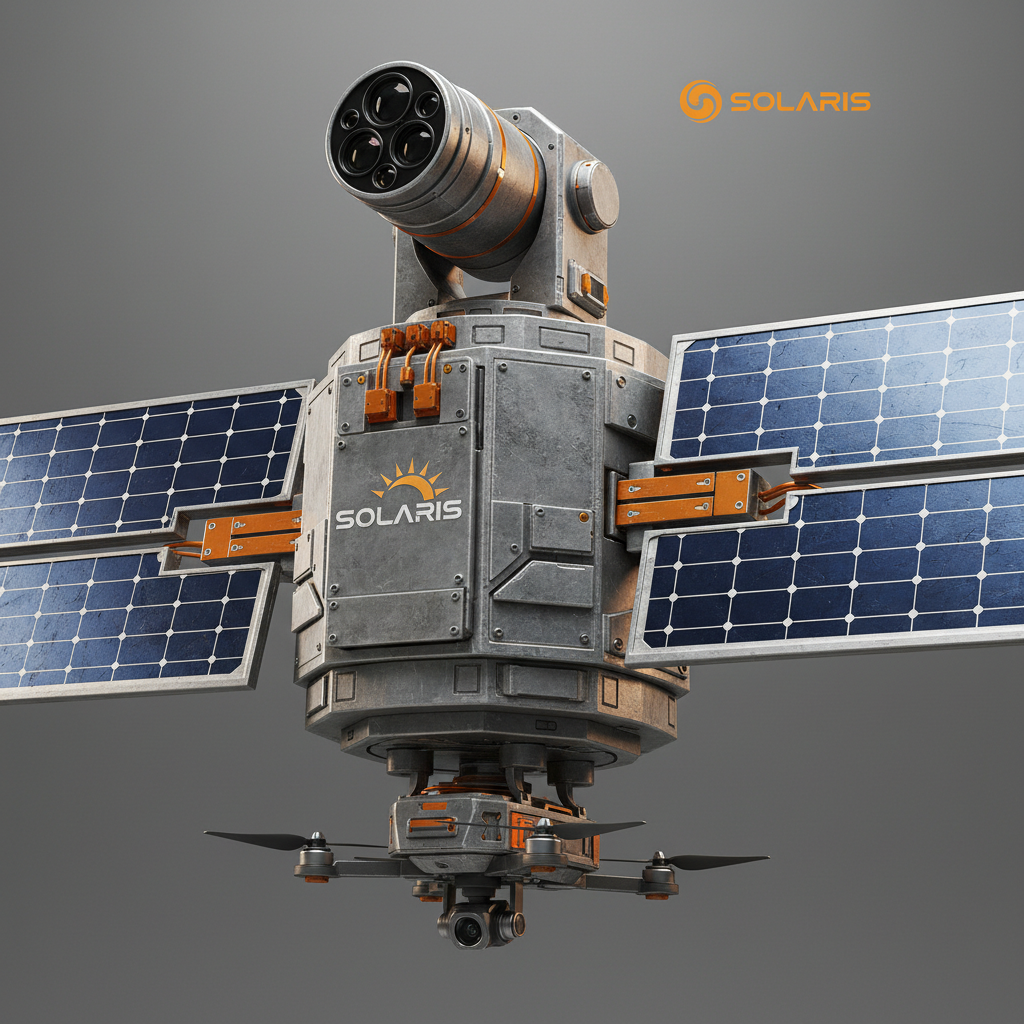
Exploring Solar Satellite Technology for a Sustainable Energy Future
The concept of solar satellites – spacecraft designed to collect solar energy and beam it down to Earth – is rapidly gaining traction as a viable solution to global energy challenges. This innovative technology promises a clean, sustainable, and virtually limitless energy source. This article will explore the fundamentals of solar satellites, their advantages, current developments, and the challenges associated with their implementation. We'll delve into the technologies driving this exciting field and how Space-Navi is contributing to advancements in space-based solar power. At their core, solar satellites function by capturing sunlight in space, where it's far more intense and consistent than on Earth. This energy is then converted into electricity using photovoltaic (PV) cells or, potentially, concentrated solar power (CSP) systems. The key difference from terrestrial solar farms lies in the transmission of this energy. Instead of wires, solar satellites employ microwave or laser beams to transmit the energy to receiving stations (rectennas) on Earth.