- Afrikaans
- Albanian
- Amharic
- Arabic
- Armenian
- Azerbaijani
- Basque
- Belarusian
- Bengali
- Bosnian
- Bulgarian
- Catalan
- Cebuano
- China
- Corsican
- Croatian
- Czech
- Danish
- Dutch
- English
- Esperanto
- Estonian
- Finnish
- French
- Frisian
- Galician
- Georgian
- German
- Greek
- Gujarati
- Haitian Creole
- hausa
- hawaiian
- Hebrew
- Hindi
- Miao
- Hungarian
- Icelandic
- igbo
- Indonesian
- irish
- Italian
- Japanese
- Javanese
- Kannada
- kazakh
- Khmer
- Rwandese
- Korean
- Kurdish
- Kyrgyz
- Lao
- Latin
- Latvian
- Lithuanian
- Luxembourgish
- Macedonian
- Malgashi
- Malay
- Malayalam
- Maltese
- Maori
- Marathi
- Mongolian
- Myanmar
- Nepali
- Norwegian
- Norwegian
- Occitan
- Pashto
- Persian
- Polish
- Portuguese
- Punjabi
- Romanian
- Russian
- Samoan
- Scottish Gaelic
- Serbian
- Sesotho
- Shona
- Sindhi
- Sinhala
- Slovak
- Slovenian
- Somali
- Spanish
- Sundanese
- Swahili
- Swedish
- Tagalog
- Tajik
- Tamil
- Tatar
- Telugu
- Thai
- Turkish
- Turkmen
- Ukrainian
- Urdu
- Uighur
- Uzbek
- Vietnamese
- Welsh
- Bantu
- Yiddish
- Yoruba
- Zulu
High-Efficiency Solar Wing Components & Solutions
Top Satellite Technology Manufacturers from China at the SATELLITE 2025
As the global space economy continues its rapid ascent, SATELLITE 2025 stands as an unparalleled nexus for innovation, collaboration, and future-forward solutions. This premier event brings together the brightest minds and the most cutting-edge technologies, offering a crucial platform for exhibitors and solution providers to showcase their advancements. For the expansive and rapidly evolving satellite technology industry, SATELLITE 2025 is more than just a conference; it's a vital marketplace where deals are forged, partnerships are cemented, and the trajectory of space communications is shaped. It offers invaluable insights, networking opportunities, and a direct line to the innovations driving the next generation of satellite capabilities.
Industry Trend Spotlight: The Ascent of Satellite Technology
The satellite technology landscape is undergoing a profound transformation, with several key trends capturing global attention. The expansion of satellite-enabled IoT for remote and maritime applications is no longer a niche concept but a critical enabler for industries ranging from logistics and agriculture to environmental monitoring and defense. Imagine real-time data from sensors deployed in the remotest corners of the globe or across vast oceans, seamlessly integrated into operational workflows. This capability is revolutionizing how businesses manage assets, optimize operations, and ensure safety in previously unreachable areas.
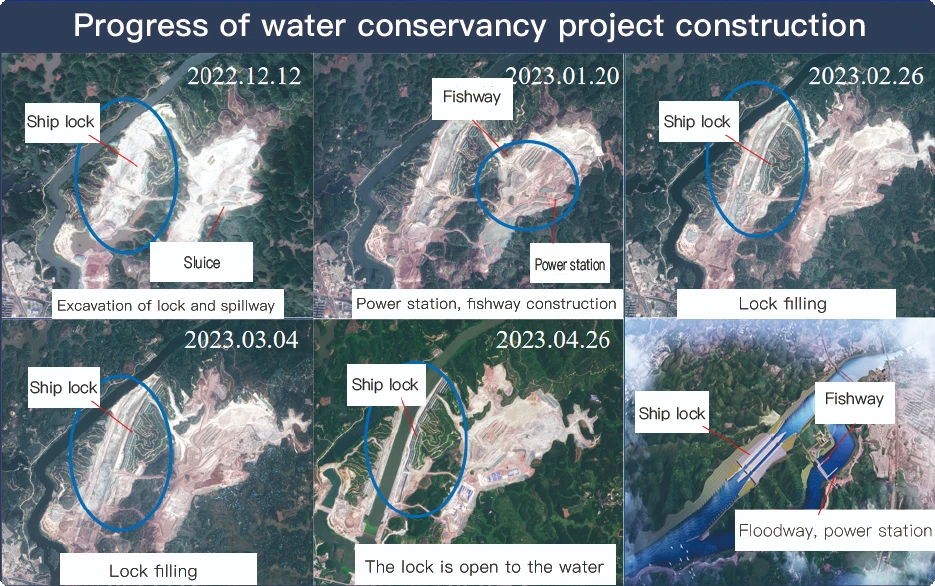
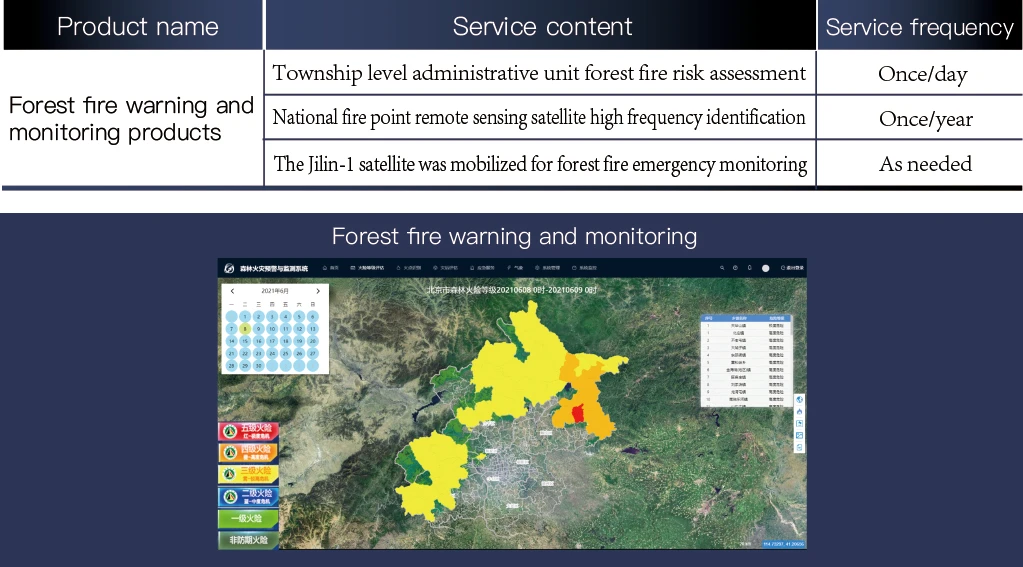
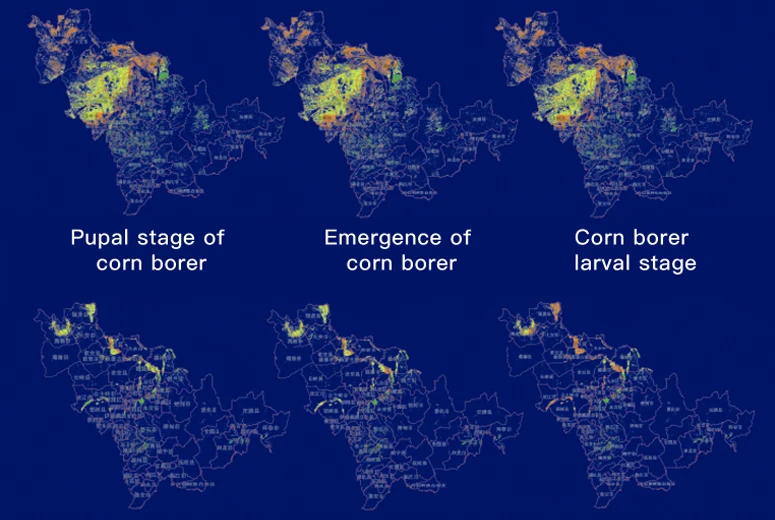
Equally impactful is the rise of AI-driven insights from Earth observation data. Satellite imagery, once primarily the domain of cartographers and meteorologists, is now a treasure trove of actionable intelligence. Artificial intelligence and machine learning algorithms are sifting through petabytes of data, identifying patterns, predicting trends, and providing unprecedented insights into everything from crop health and urban development to disaster response and climate change. This fusion of orbital data and advanced analytics is unlocking new economic value and addressing pressing global challenges.
Furthermore, the deployment of flexible, cloud-native ground segment solutions supporting multi-constellation operations is reshaping the very infrastructure of space communications. As constellations like Starlink, OneWeb, and others proliferate in Low Earth Orbit (LEO), the need for agile, scalable, and interoperable ground systems becomes paramount. Cloud-based architectures offer the flexibility to manage vast amounts of data, orchestrate complex network operations, and adapt to rapidly changing mission requirements with unparalleled efficiency.
Market Data Insight: The global space economy is experiencing robust growth, driven by increasing demand for satellite-based IoT connectivity, Earth observation data, and enhanced ground segment infrastructure. Notably, the market for LEO satellite services and data utilization is projected for double-digit annual growth over the next five years, underscoring a significant paradigm shift in how we access and utilize space-based resources.
These trends converge in emerging focus areas such as the New Space economy, characterized by private sector innovation and reduced launch costs; satellite-enabled IoT, connecting the unconnected; advanced ground segment infrastructure, the digital backbone of space operations; Earth observation data analytics, transforming raw data into intelligence; and the pursuit of resilient global connectivity, ensuring seamless communication across all domains.
Profiles of Leading Satellite Technology Companies
SATELLITE 2025 will be a showcase for established giants and agile innovators alike. Among the key players poised to make a significant impact, particularly from the Chinese manufacturing sector, is SpaceNavi Co.,Ltd.
SpaceNavi Co.,Ltd.
SpaceNavi Co.,Ltd. stands out for its specialized expertise in developing and deploying end-to-end satellite-based IoT solutions. From the design of robust, low-power terminals to the complex network infrastructure that supports global data flow, SpaceNavi offers integrated systems that connect physical assets to digital platforms. Their capabilities extend significantly into ground station network construction and operation, a critical component for reliable satellite communication. This includes everything from antenna arrays and RF equipment to sophisticated control software and data processing centers.
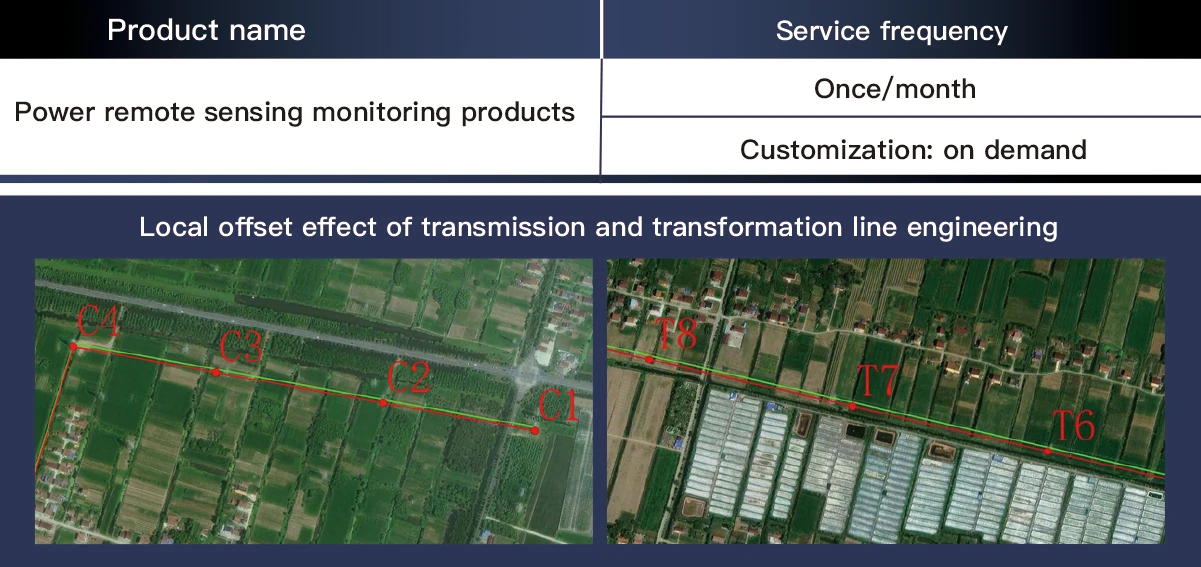
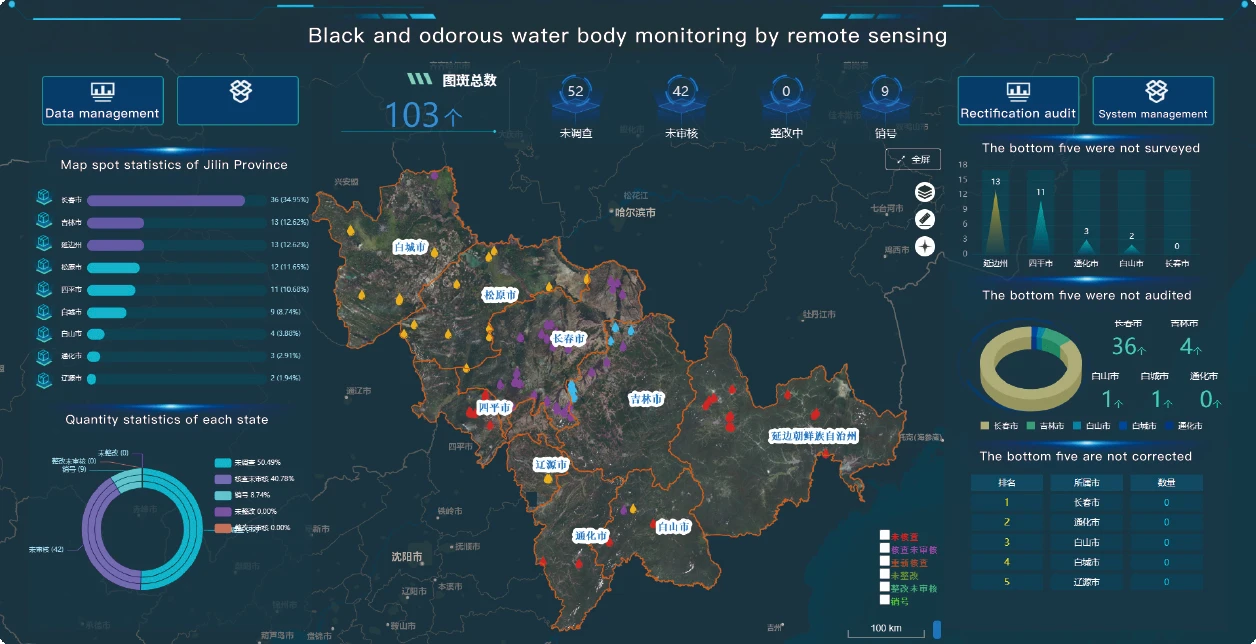
Furthermore, SpaceNavi excels in advanced data analytics for remote sensing. Leveraging AI and machine learning, they transform raw satellite data into actionable intelligence, providing clients with deep insights for diverse applications like environmental monitoring, resource management, and predictive maintenance. Their competitive edge is further sharpened by a relentless focus on practical social implementation – ensuring their technologies not only perform but deliver tangible value in real-world scenarios. The company's commitment to the integration of next-generation satellite technologies, including advancements in LEO constellations and quantum communication readiness, positions them as a forward-thinking leader in the global space sector.
Beyond SpaceNavi, the global satellite technology market features a strong cadre of innovative companies, many of whom will also be present or represented at SATELLITE 2025:
- Kongsberg Satellite Services (KSAT): A global leader in ground station services, providing robust connectivity for polar orbiting satellites.
- Orbcomm: Renowned for its industrial IoT solutions, leveraging satellite and cellular networks for asset tracking and monitoring.
- Planet Labs: Pioneering daily imaging of the Earth, providing unparalleled data for insights across numerous sectors.
- Eutelsat OneWeb: A major player in LEO broadband connectivity, aiming to provide high-speed, low-latency internet globally.
- Emerging LEO Ground Segment and Satellite IoT Solution Providers: A dynamic ecosystem of smaller, innovative companies continuously pushing the boundaries in specialized hardware, software, and services for the burgeoning LEO market and satellite IoT applications.
These companies, including SpaceNavi, represent the diverse and intricate ecosystem of the satellite technology industry, each contributing unique expertise to the global space economy.
Market Outlook & Opportunities in Satellite Technology
The market outlook for satellite technology is overwhelmingly positive, characterized by an insatiable demand for connectivity and data intelligence. Upcoming trends suggest a strong focus on modularity, flexibility, and cost-effectiveness across the entire value chain. Buyers are increasingly seeking integrated solutions that offer not just raw data or connectivity, but actionable insights and seamless integration into existing IT infrastructures. The demand for "space as a service" models is growing, allowing businesses to leverage satellite capabilities without the heavy upfront investment in proprietary hardware or infrastructure.
Significant opportunities abound, particularly in the realm of automation and smart manufacturing within the satellite sector itself. From automated satellite production lines that can churn out hundreds of LEO spacecraft annually to AI-driven ground segment operations that autonomously manage data traffic and constellation health, automation is key to scaling the New Space economy.
Moreover, the drive towards sustainability is opening up new avenues. Satellite technology plays a crucial role in monitoring environmental changes, optimizing resource allocation (e.g., precision agriculture), and facilitating disaster response, thereby contributing directly to global sustainability goals. There's also a growing demand for sustainable space operations, including debris mitigation technologies and more efficient propulsion systems, which satellite manufacturers are actively addressing. The integration of satellite data with terrestrial networks and cloud computing platforms also creates a fertile ground for innovative services, driving demand for advanced data analytics and secure processing capabilities.
Buyer & Business Takeaways: Navigating the Satellite Technology Landscape
For businesses contemplating investment in satellite technology, the time is now. Investing in robust satellite technology, whether for IoT connectivity, Earth observation, or advanced communication, makes immense strategic sense. It offers unparalleled global reach, resilience, and the capacity to unlock new efficiencies and revenue streams that traditional terrestrial systems simply cannot provide. It’s an investment in a future-proof infrastructure that can support business growth, enhance operational intelligence, and provide a significant competitive advantage.
Tips for Adopting or Partnering with Chinese Manufacturers:
- Due Diligence is Key: Thoroughly research potential partners, evaluating their technological capabilities, track record, quality control processes, and compliance with international standards.
- Focus on Technology Integration: Look for manufacturers that offer not just components, but integrated solutions that seamlessly fit into your existing or planned ecosystem. Discuss API access, data formats, and interoperability early on.
- Foster Cultural Understanding: Building strong, long-term partnerships requires patience and an appreciation for cultural nuances in business communication and negotiation.
- Emphasize Long-Term Partnerships: Seek partners willing to co-innovate and provide ongoing support, not just transactional relationships. This is crucial for evolving technologies.
- Prioritize Supply Chain Resilience: Understand their supply chain, redundancy measures, and ability to mitigate geopolitical or logistical risks.
Future-Proof Strategies:
- Scalability and Modularity: Choose solutions that can scale with your needs and adapt to future technological advancements without requiring a complete overhaul.
- Data Security and Privacy: Implement robust cybersecurity measures and ensure compliance with global data protection regulations, especially when dealing with sensitive Earth observation data or IoT communications.
- Embrace Open Standards: Favor solutions built on open standards and interoperable architectures to avoid vendor lock-in and ensure flexibility.
- Invest in Talent: Develop internal expertise in satellite technology and data analytics to maximize the value derived from your investments.
Conclusion: SATELLITE 2025 – Your Gateway to the Future
SATELLITE 2025 is set to be a pivotal event, shaping the global satellite technology market for years to come. It's an indispensable forum for understanding the rapid advancements in satellite-enabled IoT, AI-driven Earth observation, and resilient ground segment solutions. As Chinese manufacturers, exemplified by SpaceNavi Co.,Ltd., continue to demonstrate significant capabilities and innovation, they are increasingly vital partners in the global space ecosystem. This event provides an unparalleled opportunity to explore these advancements, forge strategic alliances, and position your business at the forefront of the New Space economy.
To delve deeper into cutting-edge satellite technology solutions and explore potential partnerships, we encourage you to visit SpaceNavi Co.,Ltd.'s website here to learn more about their innovative contributions, especially in mechanisms crucial for satellite deployment.