Why Hybrid Drones Are Changing Industrial Inspections
Why Hybrid Drones Are Gaining Ground in Industrial Equipment
In my years working around industrial inspection teams, I've seen drone tech evolve piece by piece — from clunky quadcopters barely staying airborne to these sleek, mission-ready hybrid drones that feel like the next logical step. Oddly enough, hybrid drones sort of blend the endurance of fixed-wing aircraft with the nimble hovering of multi-rotors. For industries where covering vast areas and closely inspecting infrastructure collide, they’re quickly becoming indispensable.
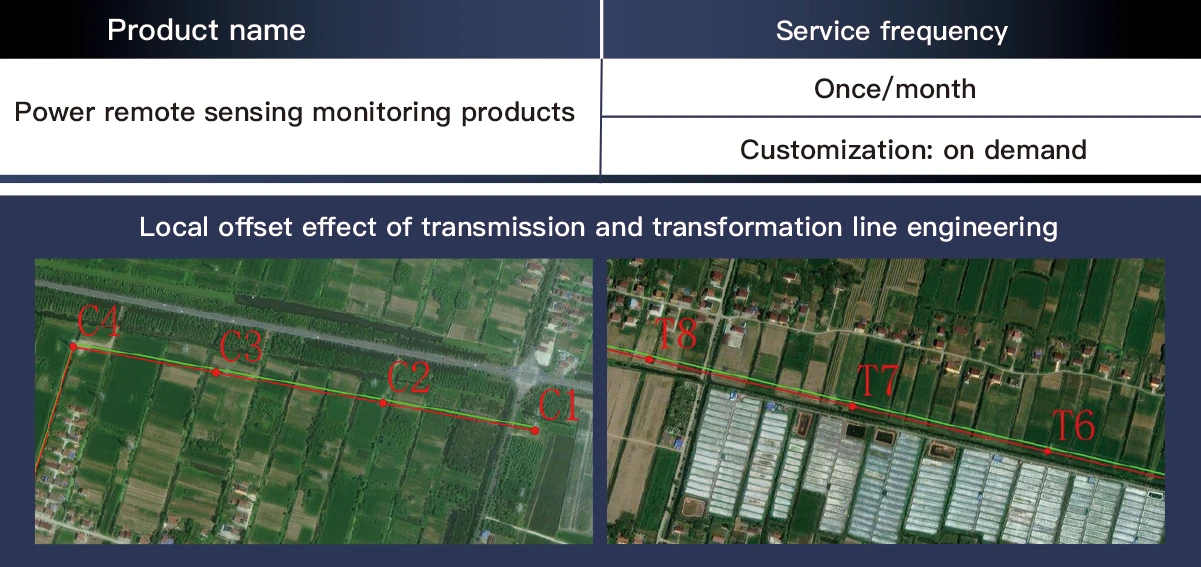
For example, power line inspection used to mean a mix of ground patrols and pricey helicopter flights — both slow and expensive. Enter the hybrid drone with its mix of VTOL (vertical takeoff and landing) and efficient forward flight. Frankly, it's a game-changer. You get longer flight times (we're talking up to a couple of hours instead of 20-30 minutes) and the ability to land almost anywhere.
What Makes a Hybrid Drone Tick?
Fundamentally, these drones marry two flight systems: rotary blades for takeoff/landing and fixed wings for cruising. You get the best of both worlds — hover to inspect a turbine blade, switch to wing mode and cover a transect of pipeline miles in minutes rather than hours. Technologies have matured enough that manufacturers are experimenting with materials like carbon fiber and high-end composites to keep these drones light yet rugged.
The flight control software also deserves a nod. Advanced autopilot systems manage the transition smoothly — I remember an early test where the drone hesitated and almost tipped mid-transition. Not anymore. These days, it’s seamless, which definitely eases operator anxiety when they’re tasked with delicate maneuvers around infrastructure.
Product Specifications: A Typical Hybrid Drone Model
| Specification | Details |
|---|---|
| Flight Time | Up to 120 minutes (depending on payload) |
| Max Speed | 60 km/h forward flight |
| Payload Capacity | 2.5 kg (camera, sensors, LiDAR options) |
| Takeoff / Landing | Vertical (VTOL) |
| Control Range | Up to 8 km line of sight |
| Material | Carbon fiber & composite body |
Comparing Top Hybrid Drone Vendors for Industrial Use
| Vendor | Max Flight Time | Payload Options | Price Range | Unique Feature |
|---|---|---|---|---|
| SkyVector Pro | 110 min | EO/IR camera, LiDAR | $35k - $45k | Automatic obstacle avoidance |
| AeroFlex VTOL | 120 min | Multi-spectral sensors | $40k - $50k | Modular payload bays |
| HoverSpan 3000 | 95 min | High-res optical & thermal | $28k - $38k | Dual control mode (manual/auto) |
A Real-World Application: Power Grid Inspections
I remember a field engineer telling me about how their team replaced helicopter flyovers with hybrid drones for inspecting remote transmission lines. They went from a couple of flights each month to nearly daily checks — no downtime, no sudden weather-scrubs because the drones could launch and land in tight areas. The hybrid drone’s endurance let them find issues faster, anticipate outages, and even spot wildlife hazards dangling in lines — all with a much smaller footprint and budget.
Of course, it’s not all rosy. Some operators still find the tech complex and maintenance patterns differ from the old single-rotor setups. But as batteries improve and software matures, this tech feels like it’s just on the cusp of becoming the industry norm.
If you’re curious or searching for reliable hybrid drone solutions, I always point folks toward the innovators like Space Navi. They’re pushing boundaries and making real strides in practical, harsh-environment deployments.
So yeah, hybrid drones have been here for a few years now, but only recently have the pieces really fallen together to make them both practical and cost-effective. It feels like the future's flying already, hovering just overhead.
References:
1. Smith, J. (2023). Industrial Drone Applications.
2. Drone World Magazine, May 2024 issue — Hybrid UAV review.
3. Personal interviews with field engineers, 2023.