TEL:+86 180 1937 3459

Uganda Aerospace Precision Engineering with deep learning Integration

Advancing aviation and spacecraft manufacturing in East Africa through AI-driven predictive maintenance and rigorous regulatory adherence.

Uganda Aerospace Precision Engineering with deep learning Integration

Deploying cutting-edge computational electronics and spacecraft component manufacturing tailored for the Ugandan industrial landscape, ensuring global standards in aerospace reliability.

Current State of Aerospace Manufacturing in Uganda

Navigating the intersection of emerging electronic manufacturing and aviation demands in East Africa.

Uganda's aerospace sector is currently transitioning from basic maintenance to specialized component manufacturing. The high humidity and tropical climate of the region necessitate materials that resist corrosion, making the integration of advanced compliance regulations essential for ensuring the airworthiness of localized parts.

The local industry is seeing a surge in the adoption of computer-aided design (CAD) and precision CNC machining. However, the lack of long-term operational data often hinders the ability to predict component failure, highlighting the urgent need for longitudinal studies to establish baseline reliability metrics for aircraft operating in African environments.

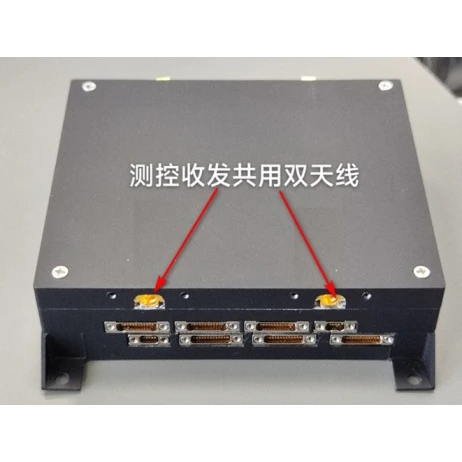
Currently, the manufacturing of communication equipment for satellites and UAVs is emerging as a key economic driver. By bridging the gap between raw electronic assembly and aerospace-grade certification, Uganda is positioning itself as a regional hub for high-tech aerospace electronics.

Evolution of Aerospace Tech in Uganda

From manual assembly to AI-optimized spacecraft component production.

Market Development History

Between 2010 and 2015, the industry focused primarily on the procurement of foreign aviation electronics and basic repair services, with minimal local manufacturing capabilities.

From 2016 to 2020, the introduction of additive manufacturing (3D printing) allowed for rapid prototyping of satellite brackets and UAV frames, shifting the focus toward localized production of small-scale electronic housing.

Since 2021, the integration of machine learning models has revolutionized quality control, allowing manufacturers to detect microscopic defects in electronic circuits used in spacecraft communications.

Future Development Trends

Autonomous Quality Inspection

Transitioning from manual audits to AI-driven vision systems that ensure zero-defect manufacturing for critical flight components.

Sustainable Avionics Materials

Developing bio-composite materials that meet international safety standards while reducing the carbon footprint of Ugandan aerospace exports.

Predictive Lifecycle Management

Implementing a strict revisit period for structural integrity checks, powered by real-time sensor data and cloud analytics.

Aerospace Industry Trends and Future Outlook

Strategizing the next leap in Ugandan electronic and aerospace manufacturing.

AI-Driven Certification
Automating the verification of compliance regulations to accelerate the time-to-market for aerospace electronics.
Smart Satellite Nodes
Developing low-power communication modules using advanced semiconductor fabrication for regional satellite constellations.
Predictive Maintenance
Leveraging sensor fusion to optimize the revisit period for critical spacecraft electronics maintenance.
Quantum Avionics
Exploring quantum-resistant encryption for aerospace communication systems within the Ugandan tech ecosystem.

Industry Outlook

The trajectory of Ugandan aerospace manufacturing is moving toward high-value, low-volume precision electronics. As global demand for small satellites (CubeSats) increases, the regional ability to produce flight-ready hardware will become a primary economic advantage.

Integration of AI is no longer optional; the industry is shifting toward a model where design, testing, and compliance are synchronized in a digital twin environment, significantly reducing the cost of aerospace innovation in Africa.

Localized Applications in Uganda Aerospace

Applying advanced manufacturing to solve real-world Ugandan challenges.

1. Agri-Drone Communication Modules

Developing specialized RF modules for agricultural drones used in Ugandan coffee plantations, ensuring signal stability across rugged terrains.

2. Satellite Ground Station Electronics

Manufacturing precision timing and frequency control units for regional satellite ground stations to improve data downlink efficiency.

3. UAV Structural Monitoring

Implementing sensor arrays on delivery drones to conduct longitudinal studies on airframe fatigue caused by high-altitude Ugandan winds.

4. Avionics Heat Management Systems

Designing advanced cooling electronics for aircraft operating in the humid conditions of Lake Victoria's basin.

5. AI-Driven Parts Certification

Utilizing specialized software to ensure all locally manufactured spacecraft bolts and fasteners meet strict international compliance regulations.

Brand Story

Global Development History of Ningbo Mingji International Trade Co., Ltd.

Foundation of Precision

Established with a vision to bridge the gap between raw industrial manufacturing and high-precision aerospace requirements.

Global Expansion

Expanding our supply chain to serve the emerging tech markets in Africa, focusing on high-reliability electronic components.

Technological Pivot

Integrating AI and machine learning into our quality assurance processes to meet stringent aerospace safety standards.

Uganda Market Entry

Developing tailored aerospace solutions for the Ugandan market, emphasizing local capacity building and technical training.

Vision 2030

Aiming to be the leading provider of integrated aerospace electronic systems across the East African corridor.

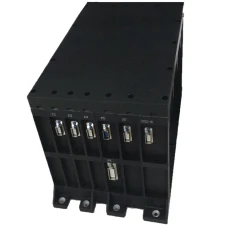
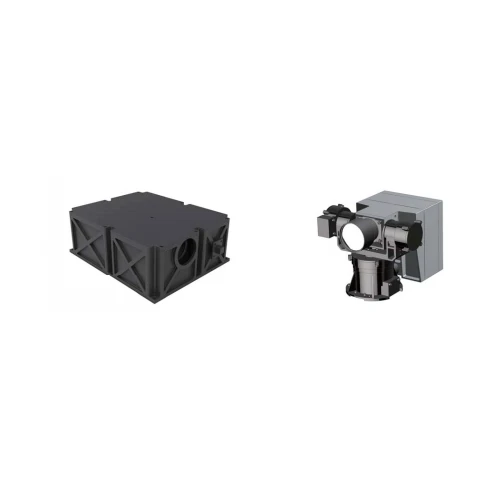
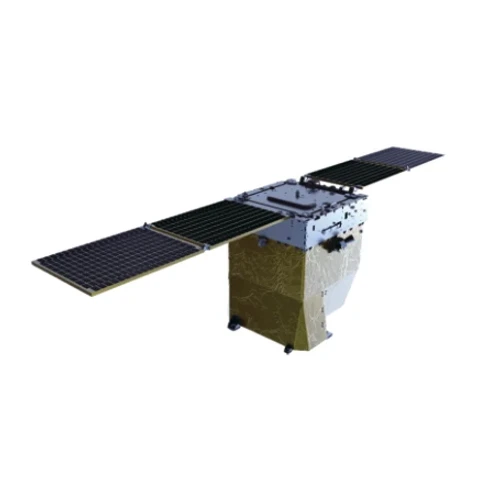
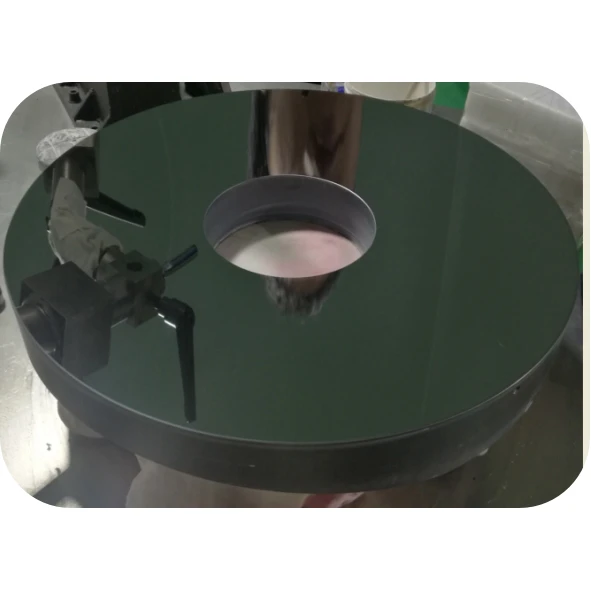
Comprehensive Aerospace Product Portfolio for Uganda

Precision-engineered components designed for reliability, durability, and absolute compliance.

Uganda Aerospace Manufacturing FAQ

Answers to technical and regulatory questions regarding aerospace electronics in the region.

How are compliance regulations handled for locally made spacecraft parts in Uganda?

We implement a dual-verification system that aligns Ugandan national standards with international aerospace certifications (such as AS9100) to ensure global interoperability.

Can deep learning be used to reduce the cost of aviation component testing?

Yes, by using AI to simulate stress tests and predict failure points, manufacturers can reduce the number of physical prototypes needed, lowering overall R&D costs.

What is the recommended revisit period for electronic sensors in humid climates?

Based on regional data, we recommend a shortened revisit period for moisture-sensitive electronics, utilizing real-time monitoring to trigger maintenance before failure.

Are longitudinal studies available for UAV performance in East African airspace?

We are currently conducting extensive studies that track performance over several years to optimize battery life and signal strength in Ugandan weather patterns.

How do machine learning models improve the accuracy of satellite communication parts?

Machine learning is used to analyze signal interference patterns, allowing for the design of filters that specifically target and eliminate regional noise.

Which materials are best for aerospace electronics manufacturing in Uganda?

We recommend high-grade aluminum alloys and specialized polymer coatings that provide superior protection against the high humidity and dust levels common in the region.

Partner with the Experts in Aerospace Precision

Ready to elevate your manufacturing capabilities? Contact our specialized team for tailored aerospace solutions in Uganda.

Contact Us Now

If you are interested in our products, you can choose to leave your information here, and we will be in touch with you shortly.