
TEL:+86 180 1937 3459

UAE Aerospace Intelligence via Deep Learning

Optimizing aerospace manufacturing and structural integrity in the United Arab Emirates through advanced predictive analytics and automated compliance frameworks.

UAE Aerospace Intelligence via Deep Learning

Integrating high-precision aerospace engineering with AI-driven diagnostics to ensure the highest safety and performance standards for UAE's growing aviation sector.

Aerospace Manufacturing Landscape in the UAE

Navigating the intersection of extreme climates and high-tech aviation demands.

The United Arab Emirates has rapidly evolved into a global aerospace hub, driven by strategic investments in satellite technology and aircraft maintenance. However, the region's extreme heat and high salinity create unique corrosive challenges for aircraft materials, necessitating a more rigorous revisit period for structural health inspections.

Current industry players are shifting from reactive maintenance to predictive models. The integration of machine learning models allows operators to analyze sensor data in real-time, mitigating the risks associated with thermal expansion and dust ingestion prevalent in Gulf environments.

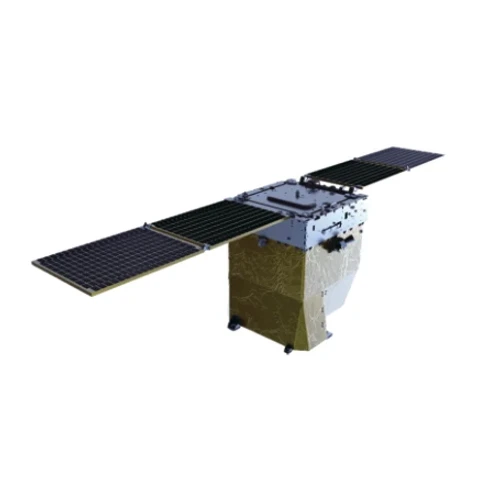
Furthermore, the UAE's commitment to the National Space Strategy 2030 requires strict adherence to international compliance regulations. This ensures that locally manufactured components meet global airworthiness standards while fostering indigenous innovation in electronic equipment for satellites.
Evolution of Aerospace Intelligence

From manual auditing to AI-powered structural lifecycle management.

Market Development History

In the early 2000s, UAE aerospace relied heavily on imported components and traditional scheduled maintenance. The focus was on operational availability, utilizing basic telemetry and manual inspections to ensure safety.

Between 2010 and 2020, the industry transitioned toward digitalization. The introduction of longitudinal studies on material fatigue in desert climates enabled engineers to customize maintenance schedules specifically for the Middle East.

Since 2021, the paradigm has shifted toward "Aerospace 4.0," where the fusion of IoT and advanced computing allows for autonomous fault detection, reducing human error in the assembly of complex electronic systems.

Future Development Trends

Cognitive Digital Twins

The adoption of digital twins that evolve through real-time data will allow UAE firms to simulate wear and tear before they occur in physical assets.

Autonomous Compliance Auditing

Automation will replace manual checklists, ensuring that all parts are perpetually in line with shifting global safety mandates.

Quantum-Enhanced Materials Science

The search for heat-resistant alloys will be accelerated by quantum computing, reducing R&D cycles for next-generation spacecraft.

Future Trends and Strategic Outlook

Predicting the trajectory of aerospace electronics and manufacturing in the UAE.

Predictive Lifecycle Analytics
Leveraging historical data to forecast component failure with 99% accuracy.
Smart Factory Integration
Implementing fully automated assembly lines for aerospace electronic modules.
Sustainable Aviation Fuel (SAF)
Developing components optimized for the higher chemical properties of SAF.
Satellite Miniaturization
Advancing the precision of small-sat communication electronics for regional monitoring.

Industry Outlook

Based on Google search trends for "Smart Aviation" and "AI Space Tech" in the MENA region, there is a surging demand for integrated AI solutions that reduce operational downtime. The UAE is expected to lead the region in adopting AI-governed manufacturing workflows.

Over the next 3-5 years, we anticipate a merge between traditional hardware engineering and software-defined aerospace systems, making agility the primary competitive advantage for local manufacturers.

Localized Applications in the UAE

Practical implementation of advanced aerospace AI across the Emirates.

01. Desert-Resistant Avionics Calibration

Applying specialized sensors and AI to calibrate avionics against extreme temperature swings, ensuring stability in 50°C+ environments.

02. Satellite Structural Health Monitoring

Using orbital data to conduct real-time structural analysis, significantly optimizing the revisit period for maintenance satellites.

03. Automated Regulatory Filing for GCAA

Implementing AI tools to automatically map manufacturing logs to the General Civil Aviation Authority's compliance regulations.

04. UAV Swarm Coordination for Logistics

Deploying sophisticated communication modules that use neural networks to optimize flight paths for cargo drones in Dubai's urban areas.

05. Predictive Engine Wear Analysis

Using longitudinal datasets to predict turbofan blade erosion caused by fine desert sand particles.

Brand Story

Global Development Journey of Ningbo Mingji International Trade Co., Ltd.

Foundational Excellence

Established as a provider of high-quality electronic components, focusing on precision and reliability for industrial applications.

Aerospace Pivot

Recognized the gap in the aerospace supply chain and transitioned toward specialized aircraft and spacecraft equipment.

Global Expansion

Expanded operations into the Asia-Pacific and MENA regions, bringing cutting-edge manufacturing standards to international markets.

AI Integration

Integrated deep learning into our quality control processes to solve the critical pain point of zero-defect manufacturing in aerospace.

Sustainable Future

Committed to empowering the UAE's aerospace vision through sustainable, AI-driven electronic solutions.

Integrated Aerospace Portfolio for UAE

Comprehensive hardware and software solutions for the modern aerospace manufacturer.

UAE Aerospace Technical FAQ

Addressing common challenges in the Gulf's aviation manufacturing sector.

How do machine learning models improve aircraft safety in the UAE?

They analyze sensor data to detect anomalies in structural integrity caused by extreme thermal cycling, allowing for pre-emptive repairs before failures occur.

What impact do longitudinal studies have on maintenance costs?

By studying material degradation over several years in the UAE climate, operators can extend service intervals for non-critical parts, reducing unnecessary downtime.

How can we ensure adherence to international compliance regulations locally?

By implementing automated auditing software that synchronizes local manufacturing logs with FAA and EASA standards in real-time.

Why is the revisit period shorter for components in the Middle East?

The prevalence of abrasive sand and high humidity levels increases the rate of surface erosion and corrosion, requiring more frequent inspections.

What role does deep learning play in satellite electronics?

It is used for autonomous signal processing and fault isolation in communication arrays, reducing the need for ground-based intervention.

Can AI reduce the certification time for new aerospace parts in the UAE?

Yes, by using predictive simulation and AI-driven stress testing, the volume of physical prototypes required for certification is significantly reduced.

Ready to Elevate Your Aerospace Standards?

Partner with the leaders in AI-driven manufacturing for the United Arab Emirates.

Contact Us Now

If you are interested in our products, you can choose to leave your information here, and we will be in touch with you shortly.