TEL:+86 180 1937 3459

Next-Gen Aerospace Engineering via deep learning in South Africa

Integrating advanced AI models with aerospace manufacturing to optimize structural integrity and operational safety across the Southern African region.

Next-Gen Aerospace Engineering via deep learning in South Africa

Empowering the South African aerospace sector with AI-driven predictive maintenance and automated compliance frameworks to reduce downtime and enhance flight safety.

Current State of Aerospace Manufacturing in South Africa

Navigating the intersection of high-altitude demands and industrial digitalization.

South Africa's aerospace industry operates within a unique geographical context, dealing with extreme thermal fluctuations and diverse terrains that place significant stress on aircraft components. Current manufacturing processes are increasingly integrating machine learning models to predict material fatigue and optimize production cycles in hubs like Gauteng and the Western Cape.

Despite technical progress, many local firms struggle with the rigid compliance regulations mandated by international aviation authorities. The gap between traditional hand-crafted assembly and digitized precision engineering remains a critical bottleneck for local SMEs attempting to enter the global supply chain.

Furthermore, the volatility of regional energy grids has forced manufacturers to adopt more resilient, data-driven production schedules. The industry is now shifting toward autonomous monitoring systems to ensure that quality control is not compromised during power instabilities.
Evolution and Development Trajectory

From legacy mechanical systems to AI-augmented aerospace fabrication.

Market Development History

In the early 2000s, South African aerospace manufacturing relied heavily on manual inspection and periodic maintenance schedules. The primary focus was on structural repair and basic component assembly for regional transport.

Between 2010 and 2020, the industry transitioned toward Digital Twin technology. This era saw the introduction of longitudinal studies to track component degradation over decades of service, allowing for more precise lifespan estimations.

Since 2021, there has been a rapid adoption of Industry 4.0. The integration of sensor-fusion and cloud computing has enabled real-time telemetry, moving the sector away from reactive repairs toward proactive intelligence.

Future Development Trends

Dynamic Maintenance Cycles

The industry is moving toward a flexible revisit period for safety inspections, where the interval is determined by real-time wear data rather than fixed calendar dates.

AI-Driven Material Synthesis

Research is focusing on using neural networks to develop lightweight, heat-resistant alloys specifically designed for the African climate, reducing fuel consumption and emissions.

Autonomous Compliance Auditing

Future systems will automate the documentation process, ensuring that every bolt and weld is instantly logged and verified against global safety standards without human error.

Industry Trends and Future Outlook

Analyzing the trajectory of aerospace electronics and AI integration in Africa.

Predictive Reliability
Shifting from scheduled to condition-based monitoring using AI to eliminate unplanned groundings.
Additive Fabrication
Utilizing 3D printing for rapid prototyping of satellite and aircraft components to cut lead times.
Edge Computing
Deploying AI processing on-board aircraft to handle mission-critical data without latency.
Green Avionics
Integrating sustainable energy sources into aircraft electronics to meet global carbon targets.

Industry Outlook

Google search trends indicate a surge in "AI in aviation" and "aerospace sustainability" within the African region, suggesting a strong market appetite for intelligent manufacturing. We expect a 15% annual growth in AI-integrated aerospace components over the next 5 years.

The convergence of satellite communications and regional aerospace manufacturing will likely lead to the creation of a "Smart Aero-Hub" in South Africa, attracting global investment in high-tech electronics.

Localized Aerospace Application Scenarios

Real-world implementation of AI and precision engineering in the South African context.

01. High-Altitude Drone Fleet Maintenance

Implementing AI to optimize the inspection intervals for agricultural drones used in the Free State, adjusting the revisit frequency based on wind-erosion data.

02. Satellite Component Stress Testing

Utilizing neural networks to simulate the impact of solar radiation on electronics manufactured in local space-tech clusters, ensuring long-term orbital stability.

03. Regional Aircraft Engine Diagnostics

Applying deep learning to analyze acoustic signatures of turbine engines operating in sandy environments, preventing premature wear and failure.

04. Automated Regulatory Reporting

Deploying smart software that automatically cross-references manufacturing logs with SAA and ICAO standards to ensure seamless certification.

05. Composite Material Durability Tracking

Using sensor-embedded carbon fibers and AI to monitor the structural health of regional aircraft skins during extreme temperature shifts.

Brand Story

Global Development Journey of Ningbo Mingji International Trade Co., Ltd.

Founding Vision

Established with the goal of bridging the gap between high-precision electronic components and global aerospace demands.

Technical Expansion

Expanded our portfolio to include AI-compatible hardware, focusing on the intersection of electronics and aerospace safety.

African Market Entry

Identified the critical need for digitized aerospace supply chains in South Africa and established dedicated logistics corridors.

Innovation Milestone

Integrated smart diagnostic tools into our product line, helping clients reduce maintenance downtime by 30%.

Future Commitment

Dedicated to empowering the Global South with sustainable, AI-driven aerospace technologies for a safer sky.

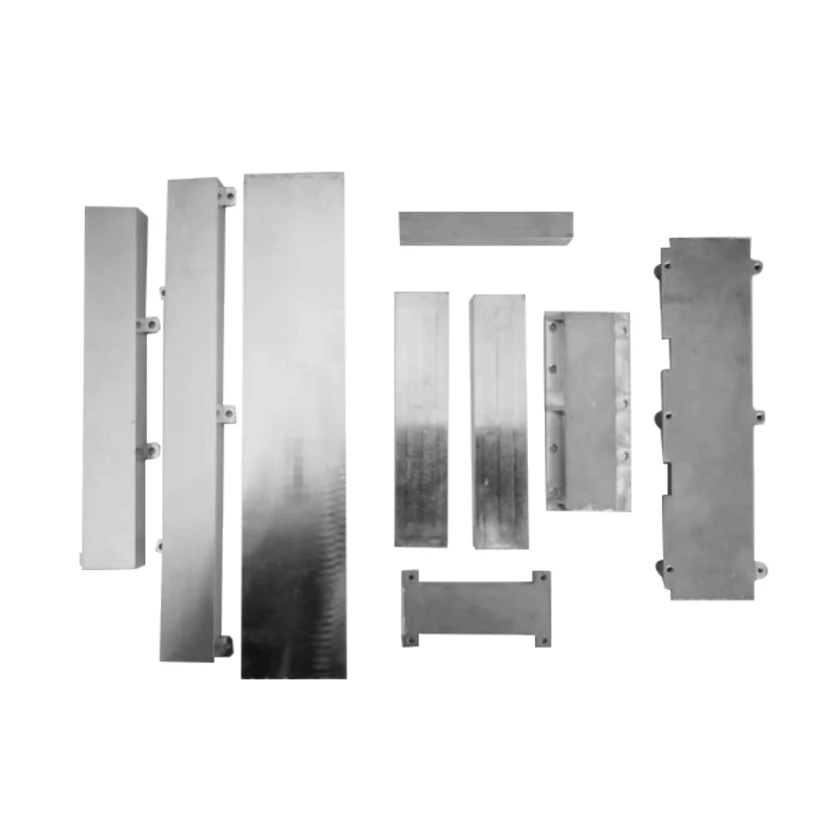
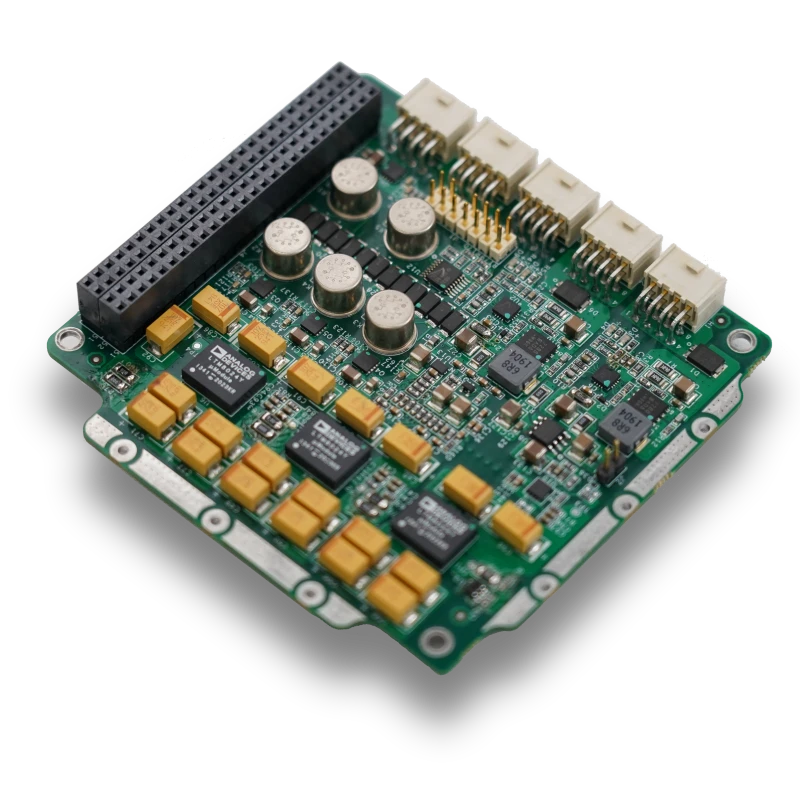
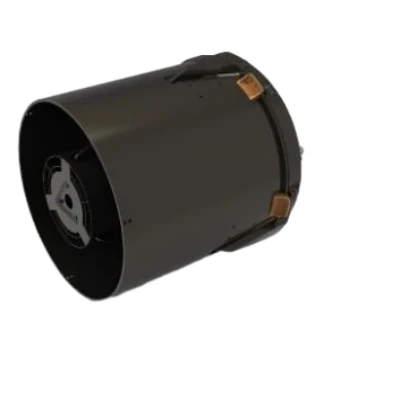
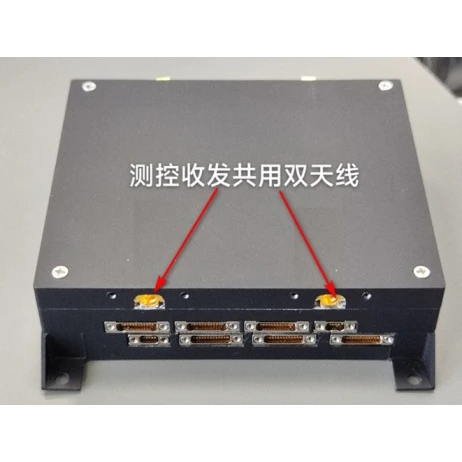
Comprehensive Aerospace Product Portfolio for South Africa

Advanced electronics and AI-integrated components tailored for regional aerospace requirements.

Local Industry FAQ

Answers to critical questions regarding AI and aerospace manufacturing in South Africa.

How does AI reduce the revisit period for aircraft inspections?

By utilizing real-time sensor data and predictive analytics, AI can identify the exact moment a part requires service, allowing for a dynamic revisit period that ensures safety while reducing unnecessary downtime.

What is the role of longitudinal studies in aerospace material science?

Longitudinal studies provide historical data on how materials react to specific stressors over many years, which is essential for training machine learning models to predict future failures.

How do compliance regulations impact AI adoption in South African aviation?

Compliance regulations require strict traceability; therefore, AI systems must be "explainable" (XAI) so that engineers can prove why a specific maintenance action was recommended.

Can deep learning identify micro-cracks in aerospace components?

Yes, deep learning algorithms applied to ultrasonic or X-ray imagery can detect anomalies far smaller than the human eye, significantly increasing the reliability of non-destructive testing.

Which machine learning models are best for flight telemetry analysis?

Recurrent Neural Networks (RNNs) and Long Short-Term Memory (LSTM) networks are ideal for telemetry as they are specifically designed to handle time-series data.

How is the South African aerospace sector integrating Industry 4.0?

The sector is integrating IoT sensors, cloud-based data lakes, and automated robotic assembly to create a fully connected manufacturing ecosystem.

Get Expert Aerospace AI Consultation

Optimize your manufacturing pipeline with the latest AI tools. Contact our regional specialists in South Africa today.

Contact Us Now

If you are interested in our products, you can choose to leave your information here, and we will be in touch with you shortly.