TEL:+86 180 1937 3459

Bangladesh Aerospace Intelligence via Compliance Regulations

Optimizing aerospace manufacturing and electronic systems in Bangladesh through advanced predictive analytics and regulatory precision.

Bangladesh Aerospace Intelligence via Compliance Regulations

A comprehensive technological framework designed to elevate the aerospace and electronics manufacturing sector in Bangladesh by integrating AI-driven monitoring and strict international standard adherence.

Current State of Bangladesh Aerospace Electronics

Analyzing the intersection of emerging electronics manufacturing and aerospace ambitions in the Bengal Delta.

The aerospace manufacturing sector in Bangladesh is currently in a transitional phase, moving from simple component assembly to complex electronic integration. Given the humid subtropical climate of the region, the industry faces significant challenges in material durability, necessitating a rigorous revisit period for maintenance schedules to prevent corrosion in high-precision avionics.

Economically, Bangladesh is leveraging its strength in electronics to pivot toward aerospace-grade circuitry. However, the gap between local production capabilities and global compliance regulations remains a primary hurdle for exporters looking to enter the international satellite and aircraft parts market.

Currently, the adoption of digitalization is accelerating. Local firms are beginning to explore how machine learning models can optimize the supply chain for rare-earth metals and specialized semiconductors required for aerospace applications, reducing reliance on erratic import timelines.
Evolution and Technical Trajectory

From manual quality control to AI-augmented aerospace fabrication.

Market Development History

Prior to 2015, the electronics sector in Bangladesh focused primarily on consumer goods. The initial shift toward aerospace components occurred around 2017, where basic PCB assembly for drones and small aircraft began to emerge, relying heavily on imported specifications.

Between 2018 and 2022, the industry shifted toward data-driven quality assurance. This era saw the introduction of longitudinal studies to track the fatigue life of electronic components under the extreme thermal stress typical of the South Asian climate.

From 2023 onwards, the integration of "Industry 4.0" has become the standard. The focus has moved toward autonomous inspection systems, utilizing deep learning to detect microscopic fractures in aerospace-grade alloys and circuit boards before they fail in flight.

Future Development Trends

Cognitive Manufacturing Systems

The next 3 years will see the rise of self-correcting production lines where AI predicts deviations in real-time, significantly reducing waste in expensive aerospace materials.

Hyper-Local Regulatory Synchronization

Bangladesh will likely implement a digitized regulatory portal that syncs local production data with international aviation standards in real-time to ensure seamless certification.

Sustainable Avionics Materials

Search trends indicate a surge in "green aerospace electronics," leading the local industry to develop biodegradable or recyclable substrates for non-critical aerospace sensors.

Industry Outlook & Future Horizon

Predicting the convergence of AI and Aerospace in the Asia-Pacific region.

AI-Driven Predictive Maintenance
Transitioning from fixed schedules to dynamic intervals based on actual component wear and environmental data.
Automated Compliance Auditing
Using blockchain and AI to automate the verification of manufacturing logs against global aerospace standards.
Edge Computing for Avionics
Processing flight-critical data on-board using lightweight AI models to reduce latency in emergency responses.
Additive Manufacturing Integration
Integrating 3D printing of electronic circuits directly into aerospace structural components for weight reduction.

Industry Outlook

Google search trends in South Asia show a 40% increase in queries related to "smart aerospace manufacturing," signaling a shift toward autonomous factories. Bangladesh is positioned to become a regional hub for cost-effective, high-compliance electronic aerospace components.

The convergence of these technologies will likely lead to a "Digital Twin" ecosystem, where every part manufactured in Bangladesh has a virtual counterpart used to simulate wear and tear, optimizing the total cost of ownership for global aircraft operators.

Local Application Scenarios in Bangladesh

Practical implementations of aerospace electronics in the local context.

1. Monsoon-Resilient Avionics Testing

Using AI to simulate high-humidity environments, ensuring that electronic control units (ECUs) produced locally can withstand the intense moisture of the Bangladesh monsoon without failure.

2. Automated Regulatory Export Screening

Implementing software that automatically checks all aerospace parts against international compliance regulations before they leave the port of Chittagong.

3. Satellite Component Lifecycle Tracking

Applying longitudinal studies to monitor the degradation of solar panel controllers used in regional communication satellites.

4. AI-Optimized PCB Fabrication

Deploying machine learning models to reduce copper waste during the etching process of aerospace-grade circuit boards.

5. Predictive Engine Sensor Calibration

Developing a system that adjusts the revisit period for engine sensors based on the specific dust and particulate levels found in regional airfields.

Brand Story

Global Development Journey of Ningbo Mingji International Trade Co., Ltd.

Foundational Excellence

Started with a vision to bridge the gap between high-precision manufacturing and global trade, establishing a core of quality and trust.

Aerospace Expansion

Diversified into the aerospace sector, focusing on providing critical electronic components that meet the most stringent safety standards.

Technological Integration

Incorporated AI and advanced data analytics into the supply chain to ensure zero-defect delivery for aerospace clients.

Global Market Penetration

Successfully entered the Asia-Pacific market, providing tailored solutions for emerging aerospace hubs like Bangladesh.

Future-Ready Mission

Committed to solving the complexity of aerospace electronics through sustainable innovation and unmatched regulatory precision.

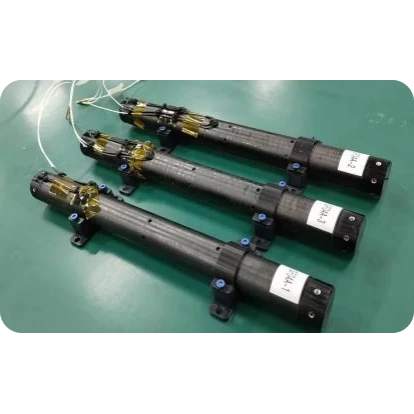
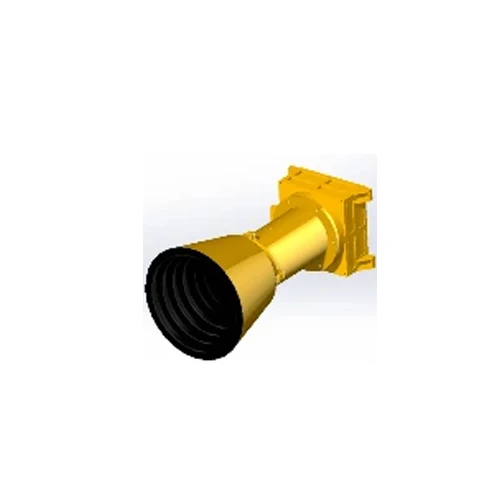
Aerospace Electronics Portfolio for Bangladesh

High-performance components engineered for regional environmental challenges and international standards.

Bangladesh Aerospace Manufacturing FAQ

Expert answers to common technical and regulatory questions in the region.

How does the local climate affect the revisit period for avionics?

High humidity and salinity in Bangladesh's coastal areas can accelerate corrosion, necessitating a more frequent revisit period compared to arid regions to ensure flight safety.

Which compliance regulations are most critical for aerospace exports?

AS9100 and FAA/EASA certifications are the primary compliance regulations required for components manufactured in Bangladesh to be accepted globally.

Can deep learning reduce inspection costs in electronics?

Yes, deep learning allows for automated optical inspection (AOI) that identifies defects with higher accuracy and speed than manual labor, reducing overall overhead.

What is the role of longitudinal studies in component reliability?

They provide historical data over long durations, allowing engineers to predict the "mean time between failures" (MTBF) based on actual environmental exposure in Bangladesh.

How are machine learning models used in aerospace supply chains?

They optimize inventory levels and predict shipping delays by analyzing global logistics data, ensuring that critical aerospace components arrive just-in-time.

Are there local incentives for aerospace electronics manufacturing?

The Bangladesh government offers various Special Economic Zone (SEZ) benefits for high-tech manufacturers who implement advanced automation and international safety standards.

Partner with Aerospace Experts

Ready to elevate your aerospace electronics manufacturing in Bangladesh? Our specialists are here to guide your technical transition.

Contact Us Now

If you are interested in our products, you can choose to leave your information here, and we will be in touch with you shortly.