TEL:+86 180 1937 3459

Algerian Aerospace Manufacturing with Deep Learning Integration

Optimizing aircraft component lifecycle and satellite infrastructure in Algeria through advanced predictive intelligence and rigorous regulatory adherence.

Algerian Aerospace Manufacturing with Deep Learning Integration

Deploying cutting-edge computational intelligence to elevate Algeria's aerospace sector, ensuring high-precision manufacturing and sustainable operational efficiency.

The Landscape of Aerospace Engineering in Algeria

Navigating the intersection of desert environmental challenges and high-tech aviation demands.

Algeria's aerospace sector operates under extreme climatic conditions, where high temperatures and abrasive sand necessitate a strict revisit period for structural integrity audits. The industry is currently transitioning from traditional maintenance to data-driven paradigms to combat premature material fatigue.

The local manufacturing base is increasingly focused on integrating satellite communication hardware, which requires stringent adherence to compliance regulations to ensure interoperability with global aerospace standards and safety protocols.

Currently, the Algerian market is witnessing a surge in the adoption of machine learning models to optimize supply chains for rare aerospace alloys, reducing lead times for critical component production within the domestic hub.

Technological Evolution and Growth Trajectory

From analog assembly to AI-driven autonomous aerospace production.

Market Development History

In the early 2000s, Algerian aerospace efforts were primarily focused on maintenance and basic assembly, relying on manual inspection and fixed schedules for part replacements.

Between 2010 and 2020, the sector evolved toward digital telemetry. The introduction of longitudinal studies allowed engineers to track component degradation over decades, shifting the industry toward evidence-based engineering.

Post-2020, the integration of Industry 4.0 has introduced automated precision milling and AI-driven quality control, significantly reducing human error in the manufacturing of critical aircraft electronics.

Future Development Trends

Autonomous Quality Assurance

Implementing neural networks to detect microscopic fractures in turbine blades during the production phase.

Smart Regulatory Adaptation

Utilizing software-defined compliance tools to automatically update manufacturing workflows as international aviation laws evolve.

Eco-Sustainable Material Synthesis

Developing lightweight composites tailored for the North African climate to reduce fuel consumption in regional aviation.

Industry Trends and Future Outlook

Strategic forecasts for the next 5 years of Algerian aerospace manufacturing.

Predictive Maintenance AI
Shift toward zero-downtime manufacturing by predicting tool wear before failure occurs.
Regulatory Digitization
Automating the audit trail for aerospace certifications to meet global export standards.
Additive Manufacturing
3D printing of titanium alloy components to reduce waste and weight in satellite housings.
Satellite Constellation Hub
Establishing Algeria as a regional leader in Low Earth Orbit (LEO) component fabrication.

Industry Outlook

The integration of high-performance computing will likely lead to a 30% increase in production yield for aerospace electronics in Algeria. By leveraging cloud-based design, local firms will collaborate globally in real-time.

Expect a strategic shift toward "Green Aviation" manufacturing, where AI is used to minimize the carbon footprint of aluminum smelting and composite curing processes.

Localized Aerospace Applications in Algeria

Solving real-world engineering challenges within the North African geographical context.

1. Sahara-Resilient Component Testing

Applying specialized coatings to aircraft sensors and using AI to simulate extreme thermal cycling common in the Algerian desert.

2. Satellite Bus Fabrication for Regional Telecom

Manufacturing localized satellite frames that meet stringent weight and electromagnetic interference standards for African orbital paths.

3. Automated Drone Assembly for Agriculture

Designing precision drones for large-scale crop monitoring in the northern regions, utilizing local composite materials.

4. Digital Twin for Aviation Maintenance

Creating virtual replicas of aircraft engines to optimize the maintenance cycle for regional carriers operating in sandy environments.

5. Avionic Board Quality Control

Using optical recognition systems to ensure zero-defect soldering on high-frequency communication boards for aerospace use.

Brand Story

Global Development Journey of Ningbo Mingji International Trade Co., Ltd.

Foundation of Precision

Starting as a specialized trader of industrial components, we focused on the highest standards of quality for the global electronics market.

Aerospace Pivot

Recognizing the demand for critical aerospace parts, we expanded our portfolio to include high-precision alloys and avionic components.

Digital Integration

We integrated AI-driven logistics to ensure that sensitive aerospace equipment reaches global destinations with absolute precision.

African Market Expansion

Establishing a strong presence in Algeria to support the growth of local aerospace manufacturing and technological sovereignty.

The Future of Flight

Our mission is to bridge the gap between advanced computational intelligence and heavy aerospace manufacturing worldwide.

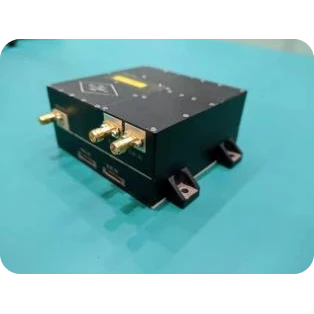
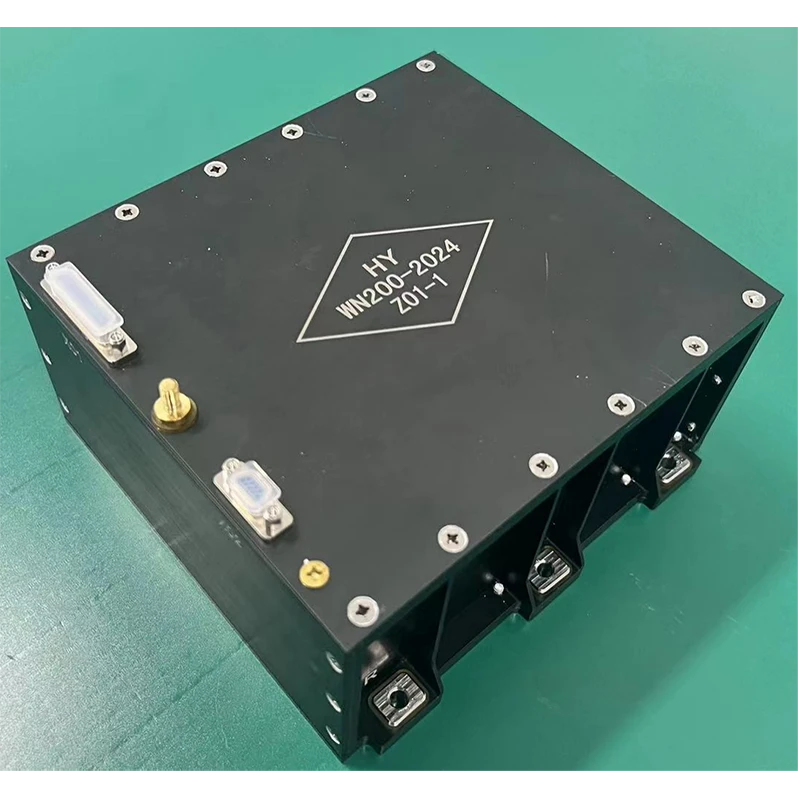
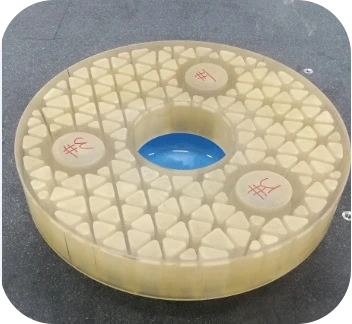
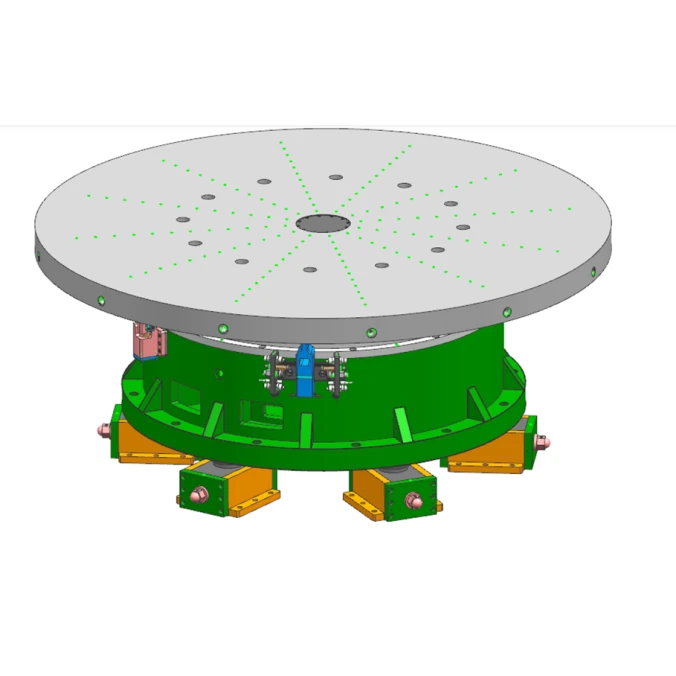
Comprehensive Aerospace Product Portfolio for Algeria

Industrial-grade solutions designed for high-reliability aerospace applications.

Frequently Asked Questions for Algerian Aerospace

Expert answers to technical and regulatory queries in the local market.

How do you optimize the revisit period for aircraft parts in sandy environments?

We utilize sensor-based monitoring and historical data to shift from fixed intervals to condition-based maintenance, ensuring safety while reducing unnecessary downtime.

What is the role of longitudinal studies in certifying aerospace components?

Longitudinal studies provide the empirical evidence required to prove that a material maintains its structural properties over thousands of flight hours, which is critical for certification.

How do you ensure compliance regulations are met for export-grade electronics?

We implement a digital quality management system that maps every production step to international aviation standards, providing a transparent audit trail for regulators.

Can deep learning be used to detect flaws in aerospace composite materials?

Yes, deep learning algorithms can analyze ultrasonic scan images to identify internal delamination or voids that are invisible to the human eye.

Which machine learning models are best for aerospace supply chain optimization?

Recurrent Neural Networks (RNNs) and Random Forest models are typically used to predict demand fluctuations and optimize the procurement of rare aerospace metals.

What are the challenges of implementing AI in Algerian manufacturing plants?

The primary challenges include data standardization and the need for specialized training, which we address through integrated hardware-software deployment packages.

Connect With Our Aerospace Experts

Ready to elevate your production standards? Contact our regional team in Africa - Algeria today for a technical consultation.

Contact Us Now

If you are interested in our products, you can choose to leave your information here, and we will be in touch with you shortly.