TEL:+86 180 1937 3459

Advanced Aerospace Systems for Mali: Optimizing compliance regulations

Integrating cutting-edge aerospace engineering with intelligent monitoring to elevate aviation safety and regulatory standards across Mali's airspace.

Advanced Aerospace Systems for Mali: Optimizing compliance regulations

Our solution provides a comprehensive framework for aerospace manufacturing and maintenance in Mali, ensuring that every component meets international safety standards while leveraging AI for predictive maintenance.

Aerospace Manufacturing Status in Mali

Analyzing the intersection of harsh Sahelian climates and high-precision aviation requirements.

In Mali, the aerospace sector faces unique challenges due to the extreme heat and pervasive dust of the Sahel region, which accelerate the wear and tear of electronic components. Maintaining a strict revisit period for aircraft inspection is critical to prevent catastrophic failure in these environmental conditions.

Currently, the industry relies heavily on imported hardware and manual oversight. There is a growing need for localized electronic manufacturing that can integrate machine learning models to predict component fatigue based on real-time environmental stressors specific to West Africa.

Furthermore, the lack of integrated digital archives makes it difficult to conduct longitudinal studies on equipment durability. This gap hinders the ability of local operators to optimize their fleet's lifecycle and reduce operational costs.

Evolution of Aviation Technology in Mali

From traditional mechanical maintenance to AI-driven aerospace ecosystems.

Market Development History

Historically, Mali's aerospace capabilities were centered around basic maintenance and repair (MRO) services, focusing on mechanical reliability for regional cargo and government transport.

Between 2010 and 2020, the sector transitioned toward the digitalization of flight logs and the adoption of basic avionics upgrades, though these were often siloed and lacked cross-platform integration.

Entering the 2020s, the industry began exploring the integration of deep learning to automate the detection of micro-fractures in turbine blades, marking a shift toward proactive safety management.

Future Development Trends

AI-Driven Predictive Maintenance

The shift toward utilizing neural networks to analyze sensor data will allow operators to move from fixed schedules to condition-based maintenance.

Localization of Avionics Production

Developing local hubs for electronic assembly to reduce dependency on long supply chains and ensure components are tailored for Sahelian heat.

Sustainable Propulsion Systems

Research into hybrid-electric propulsion for short-haul regional flights to reduce the carbon footprint of Mali's expanding air network.

Industry Trends & Future Outlook

Strategic projections for aerospace electronics and manufacturing in the region.

Cognitive Diagnostics
Implementation of autonomous diagnostic systems that reduce human error in complex electronic inspections.
Regulatory Digitization
Moving toward blockchain-based certification to ensure immutable records for all aviation parts.
Additive Manufacturing
Using 3D printing for rapid prototyping of aerospace brackets and non-critical components locally.
Satellite Connectivity
Integration of LEO satellite data for real-time fleet tracking across remote Malian territories.

Industry Outlook

Based on search trends and industrial growth, the next 3-5 years will see an explosion in the demand for "Smart Avionics" in Africa. Mali is positioned to become a regional hub if it can successfully integrate AI-driven quality control into its manufacturing pipeline.

The synergy between aerospace electronics and data science will lead to a significant reduction in downtime, as predictive models replace the traditional "fail-and-fix" approach, aligning Mali with global E-E-A-T aviation standards.

Localized Aerospace Applications in Mali

Practical implementations of high-tech manufacturing in the Sahelian context.

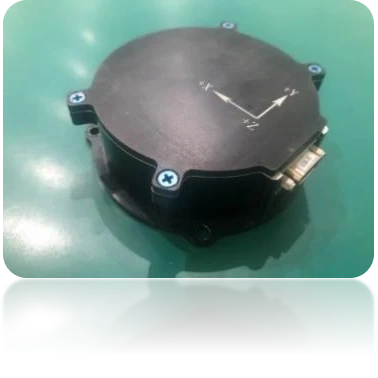
01. Dust-Resilient Avionics Housing

Developing specialized sealed enclosures for communication devices to protect sensitive electronics from Mali's Harmattan dust storms.

02. AI-Enhanced Drone Surveying

Utilizing lightweight aircraft equipped with computer vision to monitor agricultural health and border security in remote regions.

03. Predictive Engine Wear Analysis

Implementing sensors that feed into a central database for analyzing how heat cycles affect engine longevity in Bamako's climate.

04. Remote Pilot Training Simulators

Creating high-fidelity electronic simulators to train local technicians without the need for expensive foreign travel.

05. Digital Airworthiness Certification

A cloud-based system to track part origins and maintenance history, ensuring total adherence to international safety protocols.

Brand Story

Global Development Journey of Ningbo Mingji International Trade Co., Ltd.

Foundational Excellence

Started as a specialized provider of industrial components, focusing on precision and reliability for global manufacturing.

Aerospace Pivot

Expanded our portfolio into aerospace electronics, recognizing the critical need for high-durability components in extreme environments.

AI Integration

Invested in smart manufacturing, integrating data-driven quality control to eliminate defects in critical aviation parts.

African Market Expansion

Established strategic partnerships in Mali to provide localized technical support and tailored aerospace solutions.

Global Vision 2030

Striving to be the leading bridge between high-tech Asian manufacturing and the growing aerospace needs of the African continent.

Integrated Aerospace Product Suite for Mali

Comprehensive hardware and software solutions designed for regional aviation resilience.

Mali Aerospace Technical FAQ

Expert answers to the most common questions regarding aviation electronics in the region.

How does the revisit period vary for aircraft operating in Mali's desert climate?

Due to high particulate matter and heat, the revisit period for filter and sensor checks is typically reduced by 30% compared to temperate regions to ensure safety.

Can longitudinal studies improve fuel efficiency for regional Malian flights?

Yes, by analyzing long-term performance data against weather patterns, operators can optimize flight paths and engine settings for better efficiency.

Which compliance regulations are most critical for electronics exported to Mali?

Adherence to ICAO standards and specific regional aviation safety mandates is essential for all communication and navigation hardware.

How is deep learning applied to fuselage inspection in West Africa?

Deep learning algorithms analyze high-resolution imagery to detect corrosion and stress fractures that are often invisible to the naked eye.

Are machine learning models capable of predicting avionics failure in Sahelian heat?

Absolutely. By training on historical temperature and failure data, these models can alert technicians before a component reaches its thermal limit.

What is the role of localized manufacturing in reducing aerospace lead times in Mali?

Localized production of non-critical parts and electronics assembly significantly reduces dependency on overseas shipping and customs delays.

Consult Our Aerospace Experts

Ready to upgrade your aviation infrastructure? Contact us for tailored electronic and manufacturing solutions in Mali.

Contact Us Now

If you are interested in our products, you can choose to leave your information here, and we will be in touch with you shortly.