High Efficiency Gallium Arsenide GaAs Solar Arrays Factory and Suppliers in China
High Efficiency Gallium Arsenide GaAs Solar Arrays Factory and Suppliers in China
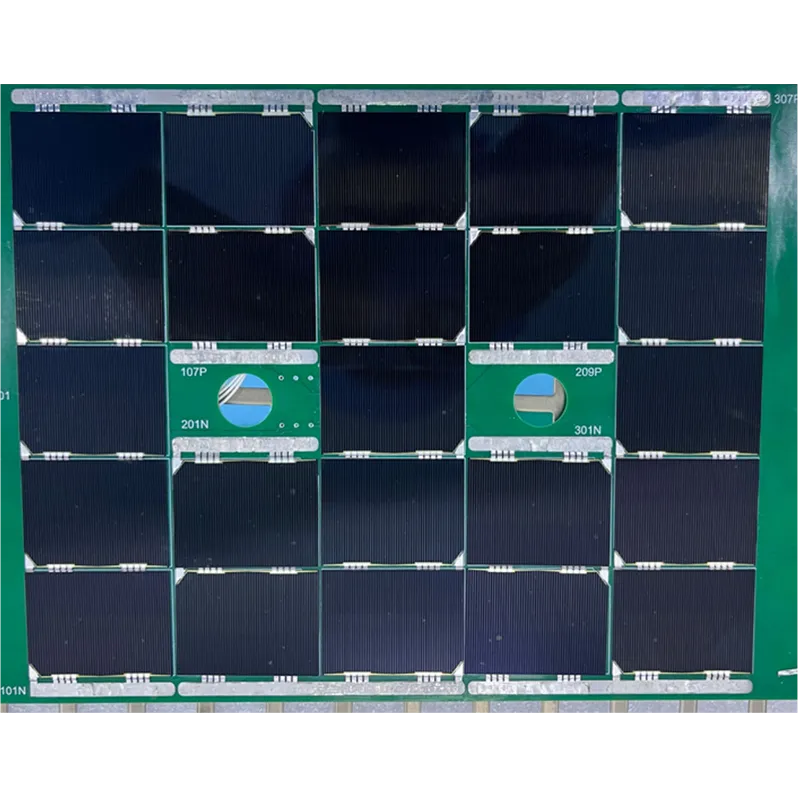
Our Gallium Arsenide (GaAs) Solar Arrays represent the pinnacle of aerospace photovoltaic technology, specifically engineered for the extreme demands of space exploration and high-altitude satellite operations. Utilizing advanced multijunction solar cell technology, these arrays maximize photon absorption across a broader spectrum of sunlight, delivering exceptional energy conversion efficiency far surpassing traditional silicon-based alternatives.
Designed for uncompromising reliability, our GaAs arrays are characterized by their superior radiation resistance, lightweight architecture, and the ability to maintain peak performance under intense temperature fluctuations. Whether integrated into satellite bodies or deployed via folding mechanisms, these power systems ensure sustainable energy autonomy for critical space-level instruments and communication equipment.
Detailed Parameters
| Cell Technology | Triple-junction GaAs Cells | Energy Efficiency | 30% High Efficiency |
|---|---|---|---|
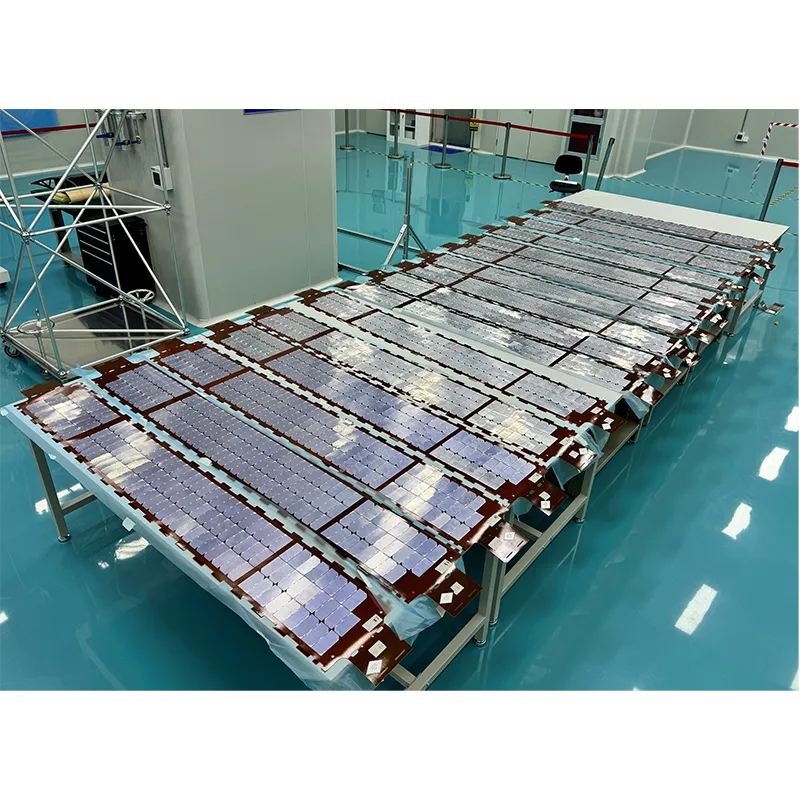
| Working Temperature | -100℃ to +110℃ | Substrate Materials | Carbon Fiber, Aluminum Honeycomb, PI Film |
| Radiation Resistance | Space-Level Grade | Application Range | Satellites, UAVs, Aerospace Systems |
| Body Mounted Life | Up to 3 Years | Fixed Rigid Panel Life | Up to 10 Years |
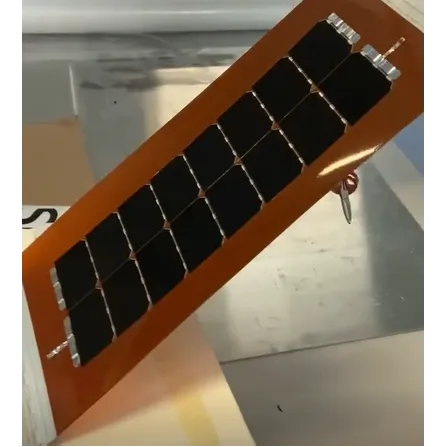
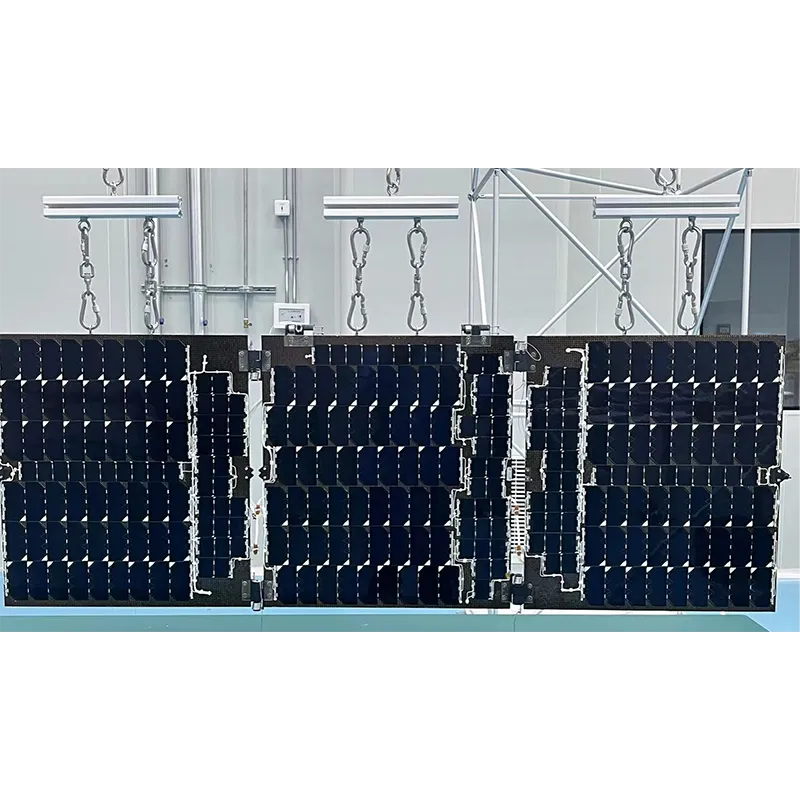
| Folding Panel Life | Up to 7 Years | Deployment Mode | Rigid, Flexible, and Folding |
Key Advantages
Extreme Durability
Engineered to withstand harsh cosmic radiation and environmental degradation without significant efficiency loss.
Extended Lifespan
Offering operational stability for up to 10 years depending on the rigid panel configuration used.
Maximum Efficiency
30% triple-junction efficiency ensures optimal power generation even in low-light or scattered sunlight conditions.
Thermal Stability
Maintains consistent electricity conversion across a vast temperature range from -100℃ to +110℃.
Lightweight Design
Utilizes PI films and carbon fiber substrates to reduce launch mass while maximizing power output.
Versatile Deployment
Available in rigid, flexible, and folding formats to fit any satellite body or UAV chassis.
Product Gallery
Management Platforms
Substrate Integration
Seamless integration with Carbon fiber aluminum honeycomb and PI film for structural integrity.
Power Optimization
Advanced coordination with Power Controllers and Power Sub-Systems for stable energy flow.
Thermal Monitoring
Real-time performance tracking within the critical -100℃ to +110℃ temperature window.
Deployment Control
Precision management of Folding and Unfolding Mechanisms for flat panel satellites.
Array Configuration
Customizable layout options for Satellite Body Mounted or Rigid Panel installations.
Lifecycle Analysis
Predictive appraisal of lifespan from 3 to 10 years based on environment and substrate.
Investment Return Comparison
| Feature | Standard Silicon Cells | GaAs Solar Arrays |
|---|---|---|
| Energy Conversion | Low to Moderate | Ultra High (30%) |
| Radiation Resistance | Standard | Space-Grade / High |
| Operating Temp | Limited Range | -100℃ to +110℃ |
| Weight-to-Power | Heavier / Lower Output | Ultra-Light / High Output |
| Mission Suitability | Terrestrial / Low Orbit | Deep Space / High Altitude |
Frequently Asked Questions
GaAs offers significantly higher conversion efficiency (30% in triple-junction cells) and superior resistance to radiation and high temperatures, which are critical for long-term survival in space.
Lifespan varies by configuration: Body Mounted plates typically last 3 years, Folding Flexible panels up to 7 years, and Fixed Rigid panels up to 10 years.
Yes, their lightweight design and high efficiency make them ideal for UAVs and aerospace power systems where weight is a constraint and power demand is high.
We utilize a variety of high-performance materials including carbon fiber aluminum honeycomb for rigid panels and flexible PI films with fiberglass fiber for folding arrays.
GaAs cells are specifically known for their high efficiency in conditions with low or scattered sunlight, ensuring consistent power for critical satellite components.
They are designed to integrate seamlessly with space-level Power Controllers and Power Sub-Systems to ensure efficient energy storage and distribution.